Sumo
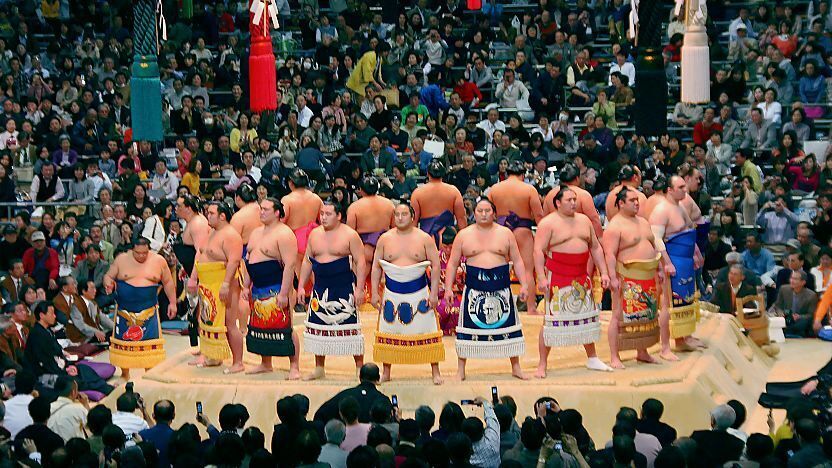
Sumo (相撲, sumō) is a Japanese style of wrestling and Japan's national sport. It originated in ancient times as a performance to entertain the Shinto deities. Many rituals with religious background, such as the symbolic purification of the ring with salt, are still followed today. In line with tradition, only men practice the sport professionally in Japan.
The rules are simple: the wrestler who first exits the ring or touches the ground with any part of his body besides the soles of his feet loses. Matches take place on an elevated ring (dohyo), which is made of clay and covered in a layer of sand. A contest usually lasts only a few seconds, but in rare cases can take a minute or more. There are no weight restrictions or classes in sumo, meaning that wrestlers can easily find themselves matched off against someone many times their size. As a result, weight gain is an essential part of sumo training.

Tournaments and ranking hierarchy
The governing body of professional sumo is the Japan Sumo Association. Six tournaments are held every year: three in Tokyo (January, May and September) and one each in Osaka (March), Nagoya (July) and Fukuoka (November). Each tournament lasts 15 days during which wrestlers compete in one bout per day except lower ranked wrestlers who compete in fewer bouts.
All sumo wrestlers are classified in a ranking hierarchy (banzuke), which is updated after each tournament based on the wrestlers' performance. Wrestlers with positive records (more wins than losses) move up the hierarchy, while those with negative records get demoted. The top division is called Makuuchi and the second division Juryo. At the pinnacle of the sumo hierarchy stands the yokozuna (grand champion). Unlike wrestlers in lower ranks, a yokozuna cannot be demoted, but he will be expected to retire when his performance begins to worsen.

How to see a sumo tournament
The best way to see sumo is to attend a sumo tournament. Tickets are sold for each day of the 15-day tournaments. They can be purchase in advance through the official vendor or via buysumotickets.com. Alternatively, they can be purchased at convenience stores (some Japanese skills required) or at the stadiums.
Three types of seats are available to regular visitors:
- Ringside seats:
Located closest to the ring, ringside seats are most expensive and most difficult to get. Ticket holders sit on cushions on the floor and are exposed to the risk of injury due to wrestlers flying into the spectators. - Box seats:
The rest of the stadium's first floor consists of Japanese-style box seats, which generally seat four people (there are a few with higher and lower capacities). Shoes are removed, and spectators sit on cushions. Tickets are sold for entire boxes regardless of whether they are fully occupied or not, i.e. two people using a 4-seat box need to purchase all four tickets. Box seats are further classified into A, B and C according to distance to the ring. - Balcony seats:
On the second floor balcony, there are several rows of Western-style seats. Balcony seats, too, are further classified into A, B and C seats depending on distance to the ring.
Sumo tickets go on sale roughly one month before the start of each tournament. The stadium often sells out, especially on weekends and national holidays.

A tournament day
Lower division matches start from 8:30 (from 10:00 on days 13-15), second division (Juryo) matches from 15:00 and top division (Makuuchi) matches from 16:00. Ring entering ceremonies between divisions are also interesting to watch. The highest ranked wrestlers have their matches just before 18:00. On the last day of each tournament, the schedule is shifted forward by 30 minutes to accommodate the victory ceremony at the end.
The stadium atmosphere improves with the arrival of more spectators as it gets later in the day when the most spectacular matches happen. Intervals between bouts also lengthen as they include longer preparation times and more pre-match action between the high-ranked wrestlers. We recommend spectators with limited time to be present at the stadium at least for the top division action between 15:30 and 18:00.

Other sumo events
For those visiting Japan between sumo tournaments, there are a few other ways to see sumo matches. They include exhibition tournaments that are held across the country in between official tournaments and occasional retirement ceremonies of prominent wrestlers. Retirement ceremonies usually include an exhibition contest, some light-hearted performances by wrestlers and a time-consuming hair cutting ritual to sever the top knot that is symbolic to an active wrestler. See the official website for a calendar.
Outside the professional sumo world, there are some universities and high schools that maintain sumo clubs, some of which may be able to accommodate visits by tourists. Furthermore, there are occasional sumo contests at some shrines and festivals.
Visiting a sumo stable
Perhaps the best way to appreciate sumo besides attending a tournament is to visit a sumo stable to witness a morning practice session. Sumo stables are where the wrestlers live and train together and where all aspects of life, from sleeping and eating to training and free time, are strictly regimented by the stable master. There are about forty stables, all of which are located in the Greater Tokyo Region, especially in Tokyo's Ryogoku district.
However, sumo stables are neither public places nor sightseeing spots. Only a small number of stables accept visits by tourists, and they insist that tourists are accompanied by a person who is fluent in Japanese and closely familiar with the customs of the sumo world. Furthermore, visitors are expected to follow the house rules strictly and not disturb the training session. Expect to sit silently on the floor for two to three hours.
In practice, it is very difficult for foreign tourists to visit a stable on their own. Instead, the recommended way to witness a morning practice is to join a guided tour. Various organizations and companies, such as Klook and Rakuten, offer such tours and typically charge around 10,000 yen for a single person and around 4000 yen for additional group members.

Other sumo-related attractions
Tokyo's Ryogoku district has been the center of the sumo world for about two centuries. The district is home to many sumo stables and the Kokugikan sumo stadium where three of the six annual tournaments are held. Below are a few more of Ryogoku's attractions that could be of interest to sumo fans:
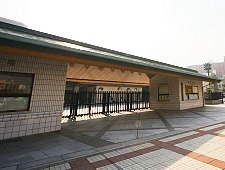
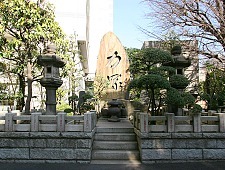
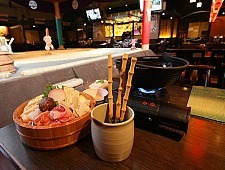
Another district in Tokyo with a strong connection to sumo is located around Tomioka Hachimangu Shrine, a couple of kilometers south of Ryogoku:
Questions? Ask in our forum.