Soba Noodles
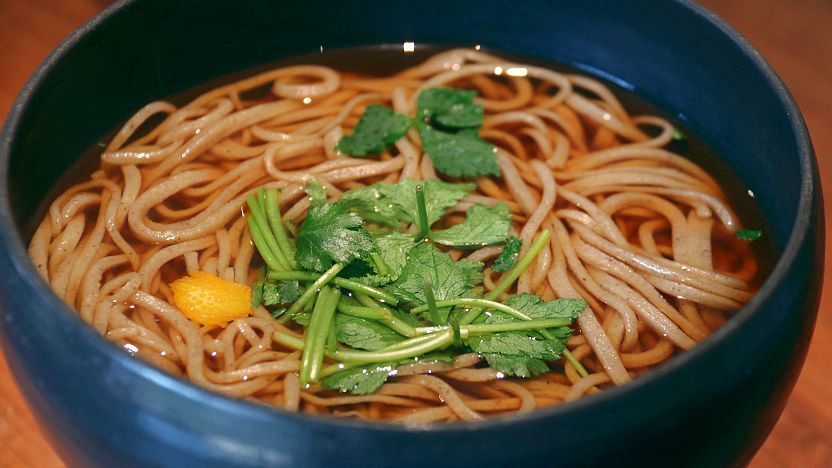
Soba (そば) noodles are noodles made of buckwheat flour, roughly as thick as spaghetti, and prepared in various hot and cold dishes. Soba dishes are very popular and easily available nationwide. As 100% buckwheat soba noodles tend to be brittle, many restaurants add some wheat flour when preparing their noodles. Depending on the shop, the percentage of buckwheat flour in soba noodles typically ranges between 40% and 100%.
Note also that there are a few noodle dishes named soba (e.g. yakisoba, chukasoba or Okinawa Soba) that are not made with buckwheat noodles. More often than not, however, "soba" refers to buckwheat noodles.
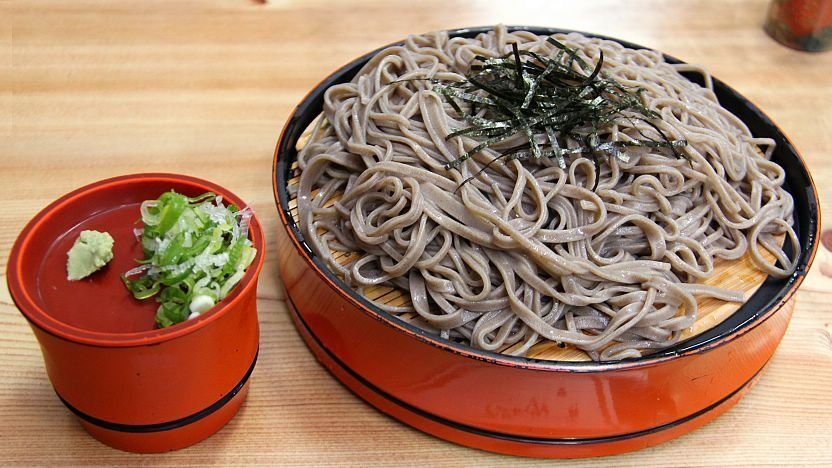
The most basic soba dish is mori soba in which boiled, cold soba noodles are eaten with a soya-based dipping sauce (tsuyu). Many soba dishes are eaten throughout the year, while others are only available seasonally. A special kind of soba dish is Toshikoshi Soba, a symbol of longevity, that is only eaten on New Year's Eve.
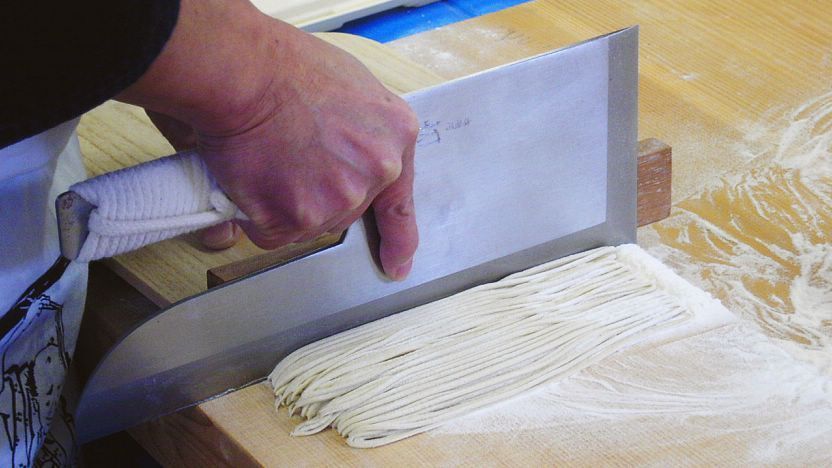
Like pasta, soba noodles are available in dried form in supermarkets, but they taste best if freshly made by hand from flour and water. Soba making has long been a popular hands-on activity for domestic and international travelers. The activity is offered by many craft villages and travel tour companies.
Popular soba dishes
Soba can be served hot or cold. Below are some of the more common varieties tourists will encounter. Note that some dishes are known under different names depending on the region.


Where to eat soba
Soba is easily available nationwide at specialized soba restaurants which often also have udon noodles on their menu. But soba dishes are also a common menu item at eateries around tourist spots, family restaurants or izakaya. The dining out section explains what to expect inside a sit-down restaurant in Japan.
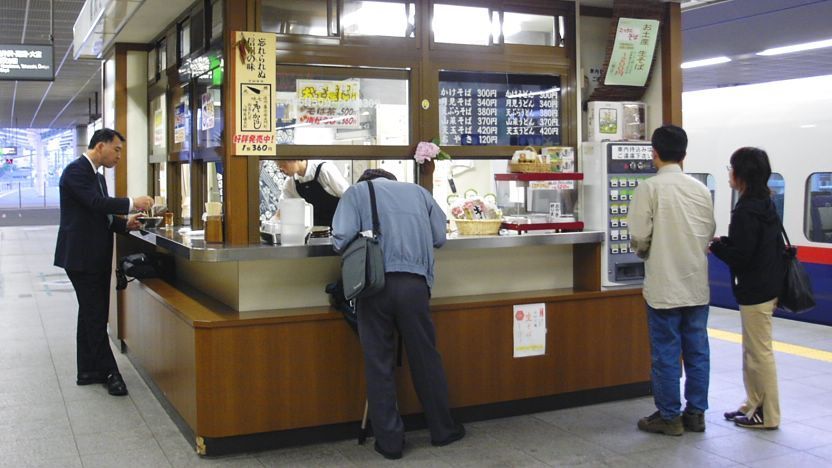
At some busy train stations, standing soba restaurants can be found for a quick meal between train rides. Ordering at standing restaurants is as simple as buying your meal ticket from the vending machine, giving it to the staff and enjoying your noodles while standing at the counter.
Simple soba noodle dishes typically cost between 500 yen and 1000 yen, while more elaborate dishes or special soba meal sets are usually priced from 1000 yen to 1500 yen.
How to eat soba
Depending on how your soba are served, the way of eating differs:
Soba served in a soup (usually the hot ones) are enjoyed by using your chopsticks to lead the noodles into your mouth while making a slurping sound. The slurping enhances the flavors and helps cool down the hot noodles as they enter your mouth. The broth is drunk directly from the bowl, eliminating the need for a spoon. It is not considered rude to leave some unfinished soup in the bowl at the end of the meal.
For soba that are served with a dipping sauce (usually the cold ones), mix some of the green onions and wasabi into the dipping sauce first. Then, you eat the noodles with a slurping sound after dipping them into the sauce.
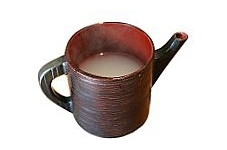
If your soba were served with a dipping sauce, some soba restaurants will give you a little teapot (see photo to the right) towards the end of the meal that is filled with what looks like hot cloudy water. This is sobayu, the water that the soba noodles were cooked in. Sobayu is meant to be poured into your remaining dipping sauce after you have finished your noodles. This is how you can finish your dipping sauce by drinking this mixture and adjusting the amount of sobayu as you prefer.
Regional soba dishes
While soba can be easily found all over Japan, soba tends to be more popular in rural areas, and especially in regions where the soil is suitable for growing buckwheat. Soba produced in some regions are more famous than others. Nagano Prefecture and Yamagata Prefecture, for example, are well-known for their soba.


Questions? Ask in our forum.
Restaurants

-
-
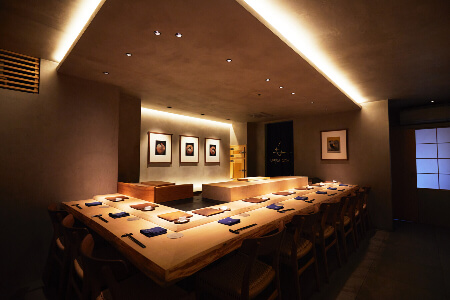
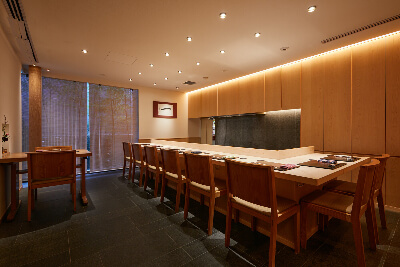
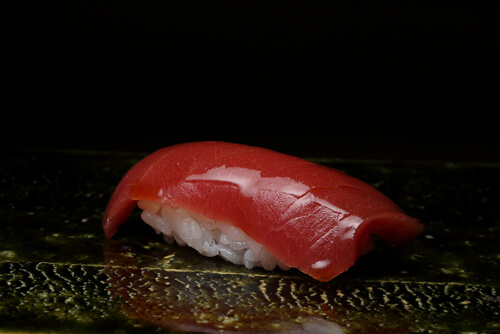
![]() Udatsu Sushi (Tokyo)Awarded One Star in 2024 - People from around the world visit to experience Mr. Udatsu's sushi. Inside the restaurant, which resembles an art gallery with its modern decor and numerous artworks, guests can enjoy sushi crafted from the highest quality ingredients. While the foundation is traditional nigiri, the menu also features original creations born from the chef's relentless curiosity and innovation.View on JapanEatinerary
Udatsu Sushi (Tokyo)Awarded One Star in 2024 - People from around the world visit to experience Mr. Udatsu's sushi. Inside the restaurant, which resembles an art gallery with its modern decor and numerous artworks, guests can enjoy sushi crafted from the highest quality ingredients. While the foundation is traditional nigiri, the menu also features original creations born from the chef's relentless curiosity and innovation.View on JapanEatinerary -
![]() Waketokuyama (Tokyo)Awarded One Star in 2025 - With a meticulous focus on allowing guests to enjoy seasonal ingredients at their peak, the menu changes approximately every two weeks. The signature dish, "Grilled Abalone with Seaweed Aroma," features thick slices of abalone generously coated in a rich liver sauce, offering an exquisite taste of the sea.View on JapanEatinerary
Waketokuyama (Tokyo)Awarded One Star in 2025 - With a meticulous focus on allowing guests to enjoy seasonal ingredients at their peak, the menu changes approximately every two weeks. The signature dish, "Grilled Abalone with Seaweed Aroma," features thick slices of abalone generously coated in a rich liver sauce, offering an exquisite taste of the sea.View on JapanEatinerary -
![]() Sushiroku (Osaka)Awarded One Star in 2024 - A cozy, family-run restaurant managed by a husband and wife. They are deeply committed to perfecting their shari (sushi rice) and use two types of vinegared rice tailored to complement each topping. Since 2019, the restaurant has consistently earned stars.View on JapanEatinerary
Sushiroku (Osaka)Awarded One Star in 2024 - A cozy, family-run restaurant managed by a husband and wife. They are deeply committed to perfecting their shari (sushi rice) and use two types of vinegared rice tailored to complement each topping. Since 2019, the restaurant has consistently earned stars.View on JapanEatinerary -
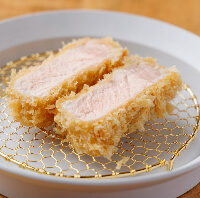
![]() Fry-ya (Tokyo)Exquisite fried dishes crafted by a head chef with experience earning stars in both Switzerland and Japan. The remarkably light tonkatsu is a favorite not only among Japanese diners but also among visitors to Japan. With the theme of "small portions, many varieties," guests can enjoy sampling a wide selection of tonkatsu in smaller portions.View on JapanEatinerary
Fry-ya (Tokyo)Exquisite fried dishes crafted by a head chef with experience earning stars in both Switzerland and Japan. The remarkably light tonkatsu is a favorite not only among Japanese diners but also among visitors to Japan. With the theme of "small portions, many varieties," guests can enjoy sampling a wide selection of tonkatsu in smaller portions.View on JapanEatinerary -
![]() Sushi Hayashi (Kyoto)Awarded One Star in 2024 - A unique sushi restaurant that blends traditional Edomae (Tokyo-style) sushi with Kyoto-style sushi, such as mackerel sushi and steamed sushi, in its courses. The head chef, who trained as a sushi artisan in Switzerland, carefully selects Swiss wines, making them a perfect pairing to enjoy with the meal.View on JapanEatinerary
Sushi Hayashi (Kyoto)Awarded One Star in 2024 - A unique sushi restaurant that blends traditional Edomae (Tokyo-style) sushi with Kyoto-style sushi, such as mackerel sushi and steamed sushi, in its courses. The head chef, who trained as a sushi artisan in Switzerland, carefully selects Swiss wines, making them a perfect pairing to enjoy with the meal.View on JapanEatinerary -
![]() Hikarimono (Tokyo)With a prime location and quality that rivals high-end sushi restaurants, this restaurant maintains the goal of being a place for everyday dining. It offers a casual and relaxed atmosphere, free from stiffness or formality. The signature "Hikari-maki," featuring ingredients such as sardines, pickled plum, and bettarazuke (sweet pickled radish), boasts unique flavors that are especially popular among international visitors.View on JapanEatinerary
Hikarimono (Tokyo)With a prime location and quality that rivals high-end sushi restaurants, this restaurant maintains the goal of being a place for everyday dining. It offers a casual and relaxed atmosphere, free from stiffness or formality. The signature "Hikari-maki," featuring ingredients such as sardines, pickled plum, and bettarazuke (sweet pickled radish), boasts unique flavors that are especially popular among international visitors.View on JapanEatinerary -
![]() Noguchi Tsunagu (Kyoto)Awarded One Star in 2024 - The sister restaurant of the highly exclusive Japanese cuisine establishment, Kyotenjin Noguchi. While maintaining the culinary essence of the main branch, this kappo-style restaurant incorporates ingredients from the chef窶冱 hometown in the Goto Islands. Its signature dish, Nikusui, is a masterpiece made from carefully prepared, top-quality A5-grade sirloin.View on JapanEatinerary
Noguchi Tsunagu (Kyoto)Awarded One Star in 2024 - The sister restaurant of the highly exclusive Japanese cuisine establishment, Kyotenjin Noguchi. While maintaining the culinary essence of the main branch, this kappo-style restaurant incorporates ingredients from the chef窶冱 hometown in the Goto Islands. Its signature dish, Nikusui, is a masterpiece made from carefully prepared, top-quality A5-grade sirloin.View on JapanEatinerary -
![]() TEMPURA & WINE SHINO (Tokyo)The kind of restaurant that is known only to true gourmets, serving as a sort of 'Hidden gem'. In a chic space with black walls and a ceiling adorned in gold, you can enjoy tempura with a light and elegant texture, delicately fried using refined techniques to achieve a thin, white batter that minimizes the aroma of oil. Savor tempura that maximizes the flavors of the ingredients, paired with Champagne and Burgundy wines carefully selected by the sommelier.View on JapanEatinerary
TEMPURA & WINE SHINO (Tokyo)The kind of restaurant that is known only to true gourmets, serving as a sort of 'Hidden gem'. In a chic space with black walls and a ceiling adorned in gold, you can enjoy tempura with a light and elegant texture, delicately fried using refined techniques to achieve a thin, white batter that minimizes the aroma of oil. Savor tempura that maximizes the flavors of the ingredients, paired with Champagne and Burgundy wines carefully selected by the sommelier.View on JapanEatinerary -
![]() Ginza Nominokoji Yamagishi (Tokyo)Tominokoji Yamagishi, an exclusive kaiseki restaurant from Kyoto, has opened its first location in Tokyo. Unlike its main branch, this establishment adopts an izakaya-style format, allowing diners to enjoy a more relaxed テ la carte dining experience. Despite being located in Tokyo, the restaurant meticulously sources ingredients and even water from Kyoto, dedicating itself to faithfully recreating Kyoto窶冱 culinary traditions.View on JapanEatinerary
Ginza Nominokoji Yamagishi (Tokyo)Tominokoji Yamagishi, an exclusive kaiseki restaurant from Kyoto, has opened its first location in Tokyo. Unlike its main branch, this establishment adopts an izakaya-style format, allowing diners to enjoy a more relaxed テ la carte dining experience. Despite being located in Tokyo, the restaurant meticulously sources ingredients and even water from Kyoto, dedicating itself to faithfully recreating Kyoto窶冱 culinary traditions.View on JapanEatinerary -
![]() Kitashinchi Kushikatsu Bon (Osaka)A restaurant that elevates Osaka's soul food, kushikatsu, to a luxurious level. Skilled chefs meticulously prepare each skewer using carefully selected premium ingredients such as Chateaubriand and foie gras. The skewers are fried in a custom copper pot using a unique oil blend based on cottonseed oil, enhancing the natural flavors of the ingredients.View on JapanEatinerary
Kitashinchi Kushikatsu Bon (Osaka)A restaurant that elevates Osaka's soul food, kushikatsu, to a luxurious level. Skilled chefs meticulously prepare each skewer using carefully selected premium ingredients such as Chateaubriand and foie gras. The skewers are fried in a custom copper pot using a unique oil blend based on cottonseed oil, enhancing the natural flavors of the ingredients.View on JapanEatinerary
-