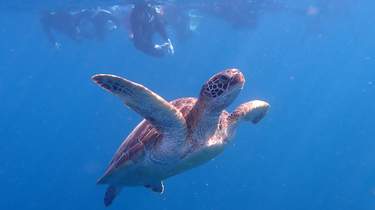
Iriomote Island
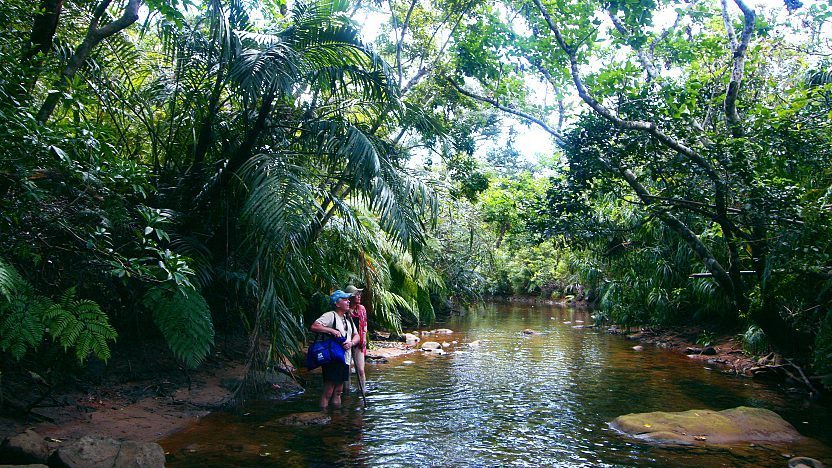
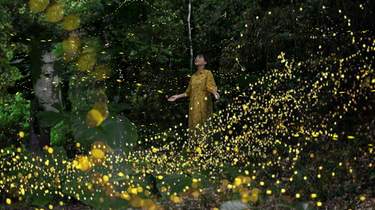
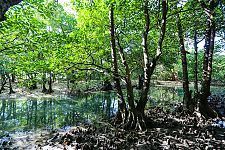
Iriomote Island (�¼•\“‡, Iriomotejima) is Okinawa's second largest island. It is largely undeveloped, with nearly 90 percent of its land covered by dense jungle and mangrove forests. Wide areas of the island are part of the Iriomote Ishigaki National Park, the southernmost of Japan's national parks and one of the country's most unique.

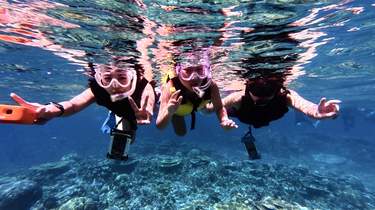
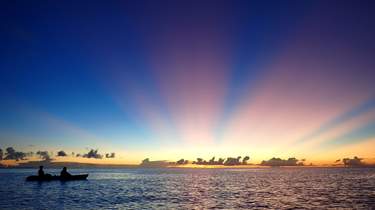
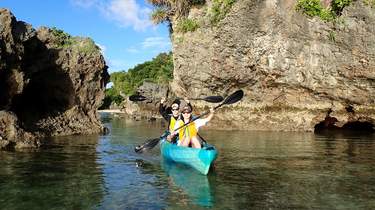
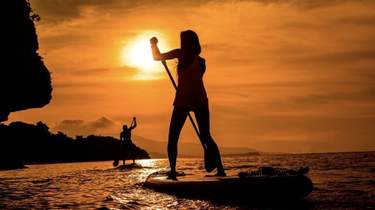
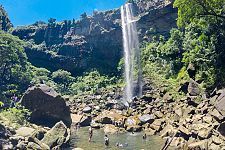
The island's attractions are based around tours to Iriomote's abundant nature including sea and river kayaking, fishing and sailing. Other activities can be enjoyed either on tours or individually such as beaches, snorkeling and various hiking trails, the most challenging of which is a 20 kilometer path through the interior of the island which should only be tackled by experienced and well prepared hikers.

Iriomote is also a popular scuba diving destination especially at Manta Way, the strait between Iriomote and nearby Kohama Island, where schools of manta rays congregate in spring and summer. Diving tours are available for all skill levels.
The island is also home to the Iriomote Yamaneko, a type of wildcat, which was discovered in 1965 and is only found on Iriomote Island. The chances of encountering an Iriomote Yamaneko are low as the nocturnal, house cat sized animal is an endangered species that is thought to number less than 100 individuals.

River activities
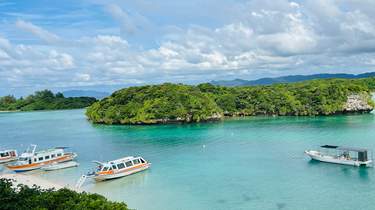
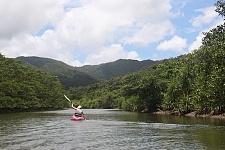
Most of the island's interior is covered in dense jungle accessible by a number of rivers that head inland from the sea. Jungle boat cruises are organized on the island's two longest rivers, the Urauchigawa (Urauchi River) and Nakamagawa (Nakama River), and guided kayak tours operate on both of those as well as many of the smaller rivers around the island.
Beaches
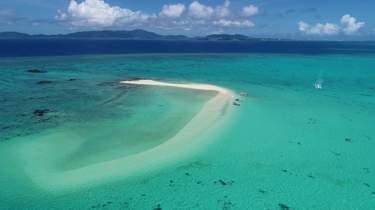
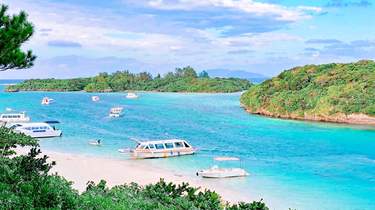
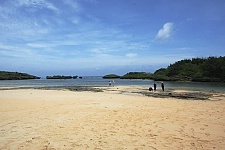
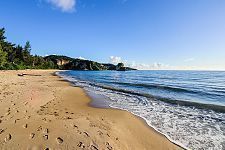
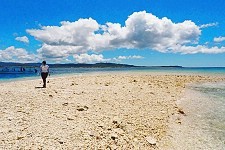
Iriomote has its share of beautiful beaches which offer swimming, snorkeling and diving opportunities. Most of the beaches around Iriomote do not have any public facilities, and some of them can only be reached by boat as the island's coast is only partially accessible by car.
When using the beaches always beware of strong currents that can pull you out to sea and poisonous creatures such as Habu Jellyfish, a type of box jellyfish, that are most prevalent from June to October. Signs in English inform about the dangers while some beaches have netted off swimming areas. Although stings are rare, if stung you should pour vinegar over the sting, remove any tentacles, and seek medical help as it may become life threatening.
Other attractions
Getting there and around
Ferry companies operate high speed ferries, as well as an infrequent car ferry, between Iriomote and Ishigaki Island.
High speed ferries depart Ishigaki for Ohara Port (2290 yen, 35-40 minutes, departures every 1-2 hours) on the south end of the island and Uehara Port (2990 yen, 45-50 minutes, departures every 2-3 hours) in the north. Additionally, slower car ferries operate on selected days of the week to Ohara (80 minutes, 1810 yen one way) and Uehara (110-130 minutes, 2350 yen one way). Online reservations can be made through Direct Ferries.
There is only one main road on Iriomote, running along the coast from Shirahama to Ohara. A public bus runs between Shirahama and Ohara four times per day. The complete journey takes about 90 minutes and costs 1410 yen. A one day bus pass is available for 1500 yen.
Besides the public buses, there are shuttle buses, operated by ferry companies and by the various diving and sightseeing companies on the island. Lastly, it is also possible to rent a car from one of several outlets near the ferry terminals.
How to get to and around the Yaeyama Islands
Questions? Ask in our forum.
Links and Resources
Hotels around Yaeyama Islands

-
-
![]() The Ubufuru IshigakiSituated in Ishigaki Island, 7.5 km from Yaeyama Museum, The Ubufuru Ishigaki features accommodation with a seasonal outdoor swimming pool, free private parking, a fitness centre and a garden. Boasting a 24-hour front desk, this property also has a restaurant and a terrace. Each room includes a balcony with sea views and free WiFi. At the resort the rooms have air conditioning, a seating area, a flat-screen TV with satellite channels, a kitchen, a dining area, a safety deposit box and a private bathroom with a bidet, free toiletries and a hairdryer. All rooms will provide guests with a desk and a kettle. American and Asian breakfast options are available at The Ubufuru Ishigaki. You can play table tennis and tennis at the accommodation. Tamatorizaki Observation Point is 20 km from The Ubufuru Ishigaki, while Maezato Park is 6.8 km from the property. New Ishigaki Airport is 8 km away.View on Booking.com
The Ubufuru IshigakiSituated in Ishigaki Island, 7.5 km from Yaeyama Museum, The Ubufuru Ishigaki features accommodation with a seasonal outdoor swimming pool, free private parking, a fitness centre and a garden. Boasting a 24-hour front desk, this property also has a restaurant and a terrace. Each room includes a balcony with sea views and free WiFi. At the resort the rooms have air conditioning, a seating area, a flat-screen TV with satellite channels, a kitchen, a dining area, a safety deposit box and a private bathroom with a bidet, free toiletries and a hairdryer. All rooms will provide guests with a desk and a kettle. American and Asian breakfast options are available at The Ubufuru Ishigaki. You can play table tennis and tennis at the accommodation. Tamatorizaki Observation Point is 20 km from The Ubufuru Ishigaki, while Maezato Park is 6.8 km from the property. New Ishigaki Airport is 8 km away.View on Booking.com -
![]() Ishigaki Sunset CoveSituated on the secluded West Coast of Central Ishigaki Island, 18km from Ishigaki City, 5km from Yonehara Beach, Ishigaki Sunset Cove is set along the beach and rooms with free WiFi access. Among the various facilities of this property are an outdoor swimming pool and a garden. We have rental cars at the hotel. Our airport transfers are free until 6pm. A car is essential to explore the island. Please inquire after booking for rates and availability. Parking charges are expensive for outside rentals; parking for our cars is free. At the resort, the rooms come with a wardrobe, a flat-screen TV and a private bathroom. Selected rooms here will provide you with a kitchen with a microwave, a toaster and a fridge. The units at Ishigaki Sunset Cove come with a seating area. Tamatorizaki Observation Point is 5 km from the resort, while Kabira Bay is 10 km away. The nearest airport is New Ishigaki Airport, 10 km from Ishigaki Sunset Cove. A Western breakfast is available daily at the property. A rental car is essential for mobility on the island. We have rentals available at the hotel, please inquire.View on Booking.com
Ishigaki Sunset CoveSituated on the secluded West Coast of Central Ishigaki Island, 18km from Ishigaki City, 5km from Yonehara Beach, Ishigaki Sunset Cove is set along the beach and rooms with free WiFi access. Among the various facilities of this property are an outdoor swimming pool and a garden. We have rental cars at the hotel. Our airport transfers are free until 6pm. A car is essential to explore the island. Please inquire after booking for rates and availability. Parking charges are expensive for outside rentals; parking for our cars is free. At the resort, the rooms come with a wardrobe, a flat-screen TV and a private bathroom. Selected rooms here will provide you with a kitchen with a microwave, a toaster and a fridge. The units at Ishigaki Sunset Cove come with a seating area. Tamatorizaki Observation Point is 5 km from the resort, while Kabira Bay is 10 km away. The nearest airport is New Ishigaki Airport, 10 km from Ishigaki Sunset Cove. A Western breakfast is available daily at the property. A rental car is essential for mobility on the island. We have rentals available at the hotel, please inquire.View on Booking.com -
![]() LulaliyaSet in Ishigaki Island, 300 metres from Kabira Bay, Lulaliya features air-conditioned rooms and free private parking. The bed and breakfast has a barbecue and sun terrace, and guests can enjoy a drink at the bar. Some units feature a seating area for your convenience. Extras include slippers, free toiletries and a hair dryer. Lulaliya features free WiFi throughout the property. There is a shared lounge at the property. Sukuji Beach is 1.9 km from Lulaliya, while Yonehara Beach is 5 km away. The nearest airport is New Ishigaki Airport, 13 km from Lulaliya.View on Booking.com
LulaliyaSet in Ishigaki Island, 300 metres from Kabira Bay, Lulaliya features air-conditioned rooms and free private parking. The bed and breakfast has a barbecue and sun terrace, and guests can enjoy a drink at the bar. Some units feature a seating area for your convenience. Extras include slippers, free toiletries and a hair dryer. Lulaliya features free WiFi throughout the property. There is a shared lounge at the property. Sukuji Beach is 1.9 km from Lulaliya, while Yonehara Beach is 5 km away. The nearest airport is New Ishigaki Airport, 13 km from Lulaliya.View on Booking.com -
![]() Seven Colors IshigakijimaLocated in Ishigaki Island, 14 km from Tamatorizaki Observation Point, Seven Colors Ishigakijima provides accommodation with a garden, free private parking, a private beach area and a terrace. Featuring a restaurant, the 4-star hotel has air-conditioned rooms with free WiFi, each with a private bathroom. Guests can use the hot tub, or enjoy sea views. At the hotel, each room is fitted with a balcony. Each room comes with a coffee machine, while certain rooms include a kitchenette with a microwave and a stovetop. Guest rooms will provide guests with a fridge. Yaeyama Museum is 39 km from Seven Colors Ishigakijima, while Sangosho no Umi Kara is 18 km away. New Ishigaki Airport is 27 km from the property.View on Booking.com
Seven Colors IshigakijimaLocated in Ishigaki Island, 14 km from Tamatorizaki Observation Point, Seven Colors Ishigakijima provides accommodation with a garden, free private parking, a private beach area and a terrace. Featuring a restaurant, the 4-star hotel has air-conditioned rooms with free WiFi, each with a private bathroom. Guests can use the hot tub, or enjoy sea views. At the hotel, each room is fitted with a balcony. Each room comes with a coffee machine, while certain rooms include a kitchenette with a microwave and a stovetop. Guest rooms will provide guests with a fridge. Yaeyama Museum is 39 km from Seven Colors Ishigakijima, while Sangosho no Umi Kara is 18 km away. New Ishigaki Airport is 27 km from the property.View on Booking.com -
![]() Beach Village NosokoSet 2.6 km from Idona Beach, Beach Village Nosoko offers a seasonal outdoor swimming pool, a garden and air-conditioned accommodation with a balcony and free WiFi. The accommodation features a hot tub. Each unit is fitted with a terrace offering sea views, a satellite flat-screen TV, a dining area, a well-fitted kitchen and a private bathroom with bidet, a hairdryer and slippers. A fridge, a microwave and stovetop are also featured, as well as a kettle. At the lodge you will find a restaurant serving Mexican and European cuisine. Vegetarian and vegan options can also be requested. A car rental service is available at Beach Village Nosoko. Tamatorizaki Observation Point is 8.1 km from the accommodation, while Yaeyama Museum is 28 km away. New Ishigaki Airport is 15 km from the property.View on Booking.com
Beach Village NosokoSet 2.6 km from Idona Beach, Beach Village Nosoko offers a seasonal outdoor swimming pool, a garden and air-conditioned accommodation with a balcony and free WiFi. The accommodation features a hot tub. Each unit is fitted with a terrace offering sea views, a satellite flat-screen TV, a dining area, a well-fitted kitchen and a private bathroom with bidet, a hairdryer and slippers. A fridge, a microwave and stovetop are also featured, as well as a kettle. At the lodge you will find a restaurant serving Mexican and European cuisine. Vegetarian and vegan options can also be requested. A car rental service is available at Beach Village Nosoko. Tamatorizaki Observation Point is 8.1 km from the accommodation, while Yaeyama Museum is 28 km away. New Ishigaki Airport is 15 km from the property.View on Booking.com -
![]() Hotel Patina IshigakijimaA 7-minute walk from Ishigaki Port Ricoh Ferry Terminal and a 3-minute drive from the beach, Hotel Patina Ishigakijima offers cosy rooms with hardwood floors, free internet and a private balcony. Free parking is available on site. The air-conditioned rooms at Patina Hotel include a private bathroom and refrigerator. Guests can enjoy watching the flat-screen TV with a fresh cup of tea. A free-use washing machine and coin-operated dryer are provided, as are free-use bicycles. Free wireless internet and 2 computers with free internet access are offered in the lobby. Massages can be requested for an extra cost. Ishigakijima Patina Hotel�fs restaurant serves breakfast daily.View on Booking.com
Hotel Patina IshigakijimaA 7-minute walk from Ishigaki Port Ricoh Ferry Terminal and a 3-minute drive from the beach, Hotel Patina Ishigakijima offers cosy rooms with hardwood floors, free internet and a private balcony. Free parking is available on site. The air-conditioned rooms at Patina Hotel include a private bathroom and refrigerator. Guests can enjoy watching the flat-screen TV with a fresh cup of tea. A free-use washing machine and coin-operated dryer are provided, as are free-use bicycles. Free wireless internet and 2 computers with free internet access are offered in the lobby. Massages can be requested for an extra cost. Ishigakijima Patina Hotel�fs restaurant serves breakfast daily.View on Booking.com -
![]() Little Mermaid Hotel IshigakijimaSituated in Ishigaki Island, 400 metres from Fusaki Beach, Little Mermaid Hotel Ishigakijima features accommodation with a garden, free private parking and a terrace. This 3-star hotel offers luggage storage space and free WiFi. The property is non-smoking and is set 6.5 km from Yaeyama Museum. All rooms are fitted with air conditioning, a fridge, a microwave, a kettle, a shower, free toiletries and a wardrobe. Rooms are equipped with a private bathroom with a hairdryer, while some boast sea views. Guests at the hotel will be able to enjoy activities in and around Ishigaki Island, like fishing. Popular points of interest near Little Mermaid Hotel Ishigakijima include Nei Museum of Art, Tojinbaka and Kannonzaki Lighthouse. New Ishigaki Airport is 18 km from the property.View on Booking.com
Little Mermaid Hotel IshigakijimaSituated in Ishigaki Island, 400 metres from Fusaki Beach, Little Mermaid Hotel Ishigakijima features accommodation with a garden, free private parking and a terrace. This 3-star hotel offers luggage storage space and free WiFi. The property is non-smoking and is set 6.5 km from Yaeyama Museum. All rooms are fitted with air conditioning, a fridge, a microwave, a kettle, a shower, free toiletries and a wardrobe. Rooms are equipped with a private bathroom with a hairdryer, while some boast sea views. Guests at the hotel will be able to enjoy activities in and around Ishigaki Island, like fishing. Popular points of interest near Little Mermaid Hotel Ishigakijima include Nei Museum of Art, Tojinbaka and Kannonzaki Lighthouse. New Ishigaki Airport is 18 km from the property.View on Booking.com -
![]() Guest House SuntoruGuest House Suntoru, a property with a garden, a terrace and a shared lounge, is set in Ishigaki Island, 7.8 km from Yaeyama Museum, 20 km from Tamatorizaki Observation Point, as well as 7 km from Maezato Park. This 1-star guest house offers a shared kitchen and luggage storage space. The guest house also offers free WiFi, free private parking and facilities for disabled guests. At the guest house, units come with a desk and a shared bathroom. Ishigaki Dam is 7.2 km from the guest house, while Ishigaki Island Limestone Cave is 7.7 km from the property. New Ishigaki Airport is 7 km away.View on Booking.com
Guest House SuntoruGuest House Suntoru, a property with a garden, a terrace and a shared lounge, is set in Ishigaki Island, 7.8 km from Yaeyama Museum, 20 km from Tamatorizaki Observation Point, as well as 7 km from Maezato Park. This 1-star guest house offers a shared kitchen and luggage storage space. The guest house also offers free WiFi, free private parking and facilities for disabled guests. At the guest house, units come with a desk and a shared bathroom. Ishigaki Dam is 7.2 km from the guest house, while Ishigaki Island Limestone Cave is 7.7 km from the property. New Ishigaki Airport is 7 km away.View on Booking.com -
![]() HOSTEL SunTerrace IshigakiSituated in Ishigaki Island, 1.3 km from Painuhama Artificial Beach, HOSTEL SunTerrace Ishigaki features accommodation with a shared lounge, private parking and a terrace. With a garden, the 1-star hostel has air-conditioned rooms with free WiFi, each with a shared bathroom. The accommodation provides a shared kitchen, and luggage storage for guests. A safety deposit box is accessible to all guests, while certain rooms are equipped with a game console. Popular points of interest near the hostel include Yaeyama Museum, Nantominzoku Museum and Euglena Mall. New Ishigaki Airport is 13 km from the property.View on Booking.com
HOSTEL SunTerrace IshigakiSituated in Ishigaki Island, 1.3 km from Painuhama Artificial Beach, HOSTEL SunTerrace Ishigaki features accommodation with a shared lounge, private parking and a terrace. With a garden, the 1-star hostel has air-conditioned rooms with free WiFi, each with a shared bathroom. The accommodation provides a shared kitchen, and luggage storage for guests. A safety deposit box is accessible to all guests, while certain rooms are equipped with a game console. Popular points of interest near the hostel include Yaeyama Museum, Nantominzoku Museum and Euglena Mall. New Ishigaki Airport is 13 km from the property.View on Booking.com -
![]() JoyaSet in Ishigaki Island in the Ishigaki Region, 200 metres from Kabira Bay, Joya features a sun terrace. Free private parking is available on site. Each room is equipped with a private bathroom equipped with a bath. Joya features free WiFi. There is a shared lounge at the property. Sukuji Beach is 1.9 km from Joya, while Yonehara Beach is 5 km away. New Ishigaki Airport is 13 km from the property.View on Booking.com
JoyaSet in Ishigaki Island in the Ishigaki Region, 200 metres from Kabira Bay, Joya features a sun terrace. Free private parking is available on site. Each room is equipped with a private bathroom equipped with a bath. Joya features free WiFi. There is a shared lounge at the property. Sukuji Beach is 1.9 km from Joya, while Yonehara Beach is 5 km away. New Ishigaki Airport is 13 km from the property.View on Booking.com
-