Click Here
Japan Guide Homepage
Travel
Living
A-Z
Forum
Jobs
Friends
Shopping
Essentials
-
Sightseeing
-
Hotels
-
Transportation
-
Shopping
-
Questions
Sign in for a personalized experience. Don't have an account yet? Sign up now.
Korean
Traditional Chinese
Simplified Chinese
 
Search this site

Hotel Reservations

(check-in)

Online Hostel Bookings
Hostels and inexpensive ryokan from $10 per night!
Car Rentals
Compact cars from around 4,000 Yen/day!

Related Pages
Travel
Essentials
Living

Annual Events
When to travel to Japan
Typhoons

Japan Sightseeing Guide
Hokkaido
Sapporo
Otaru
Hakodate
Furano
Abashiri
Noboribetsu
Niseko
Lake Toya
Daisetsuzan
Shiretoko
Rishiri Rebun
Akan

Tohoku
Sendai
Matsushima
Hiraizumi
Kakunodate
Nyuto Onsen
Hirosaki
Lake Towada
Dewa Sanzan
Aizu

Kanto
Tokyo
Yokohama
Kamakura
Nikko
Hakone
Kawagoe
Kusatsu
Ikaho
Narita

Chubu
Nagoya
Inuyama
Mt.Fuji
Fujigoko
Izu Peninsula
Nagano
Matsumoto
Kamikochi
Kiso Valley
Hakuba
Yudanaka
Sado Island
Takayama
Shirakawa-go
Gujo
Gero Onsen
Kanazawa

Kansai
Kyoto
Osaka
Nara
Kobe
Himeji
Kinosaki
Mount Koya
Kumano
Yoshino
Amanohashidate
Hikone
Iga Ueno
Ise Shima

Chugoku
Hiroshima
Miyajima
Okayama
Kurashiki
Matsue
Iwami Ginzan
Iwakuni
Yamaguchi
Hagi

Shikoku
Takamatsu
Kotohira
Naoshima
Matsuyama
Uchiko
Kochi
Tokushima
Naruto

Kyushu
Fukuoka
Dazaifu
Nagasaki
Kumamoto
Mount Aso
Minamata
Beppu
Miyazaki
Takachiho
Kagoshima
Kirishima
Yakushima

Okinawa
Honto
Yaeyama

Survey
How can tourism in Japan be improved?
Increase foreign language information
Preserve natural and historic sites
Ease immigration requirements
Other
No improvement needed
see results
Other Surveys:
Financial Crisis
Ski Destination
Preferred way to stay at a ryokan
Purpose of visit
Most popular region
Have you recently entered Japan?

japan-guide.com newsletter
Keeping you up to date on Japan travel and living related issues and site updates. Click here to subscribe!

japan-guide.com forum
? Any questions? Ask them on the question forum!

Sponsored Listings
Car Rental
The cheapest rates in Japan!
Tour Packages
Guided and individual tour plans.
Japan - Order FREE Brochure!
About vacation plans and specialty travel.

 
Home - Travel - Essentials
Rainy Season (Tsuyu)
 
basic information

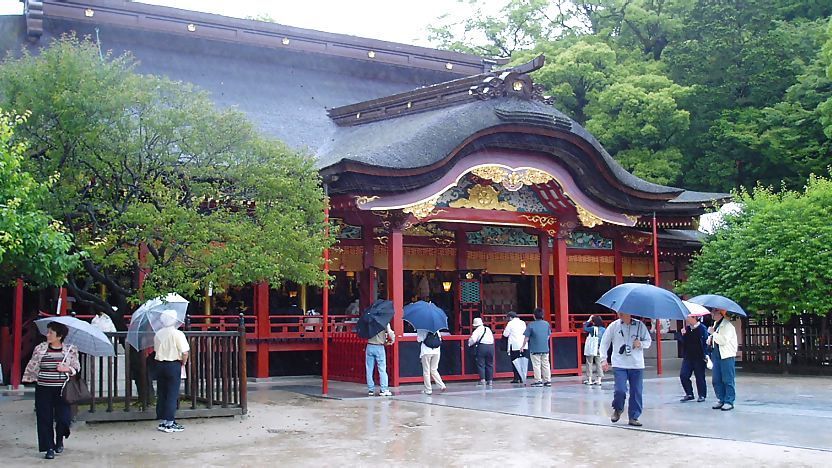
In early summer, most parts of Japan get visited by a rainy season, the so called tsuyu (or baiyu), literally meaning "plum rain", because it coincides with the season of plums ripening.

The rainy season is caused by the collision of cold northerly and warm southerly air masses, which results in a relatively stable bad weather front over the Japanese archipelago for several weeks.

In most of Japan, the rainy season lasts from the beginning of June to mid July, while it affects the islands of Okinawa about one month earlier. Only Japan's northern most main island of Hokkaido gets barely affected by the rainy season.

The following table shows the average starting and ending dates of the rainy season for selected regions of Japan, according to the Japan Meteorological Agency:

Region
Start
End
Okinawa
May 8
June 23
Southern Kyushu
May 29
July 13
Shikoku
June 4
July 17
Kinki (incl. Osaka, Kyoto)
June 6
July 19
Kanto (incl. Tokyo)
June 8
July 20
Northern Tohoku
June 12
July 27

During the rainy season it does not rain every day. In fact, Tokyo registers only an average of 12 rainy days in June, while 120 hours of sunshine are recorded. As for the amount of rainfall, it varies from days with intensive downpours to other days with occasional sprinkles.

Nevertheless, the rainy season is not the most suitable season for visiting Japan, even though it can have its advantages. For example, travel activity is rather low during June, which clears many popular outdoor attractions from the many visitors that are usually present.

Furthermore, some sights can be very attractive in rain, especially some temples, gardens and hot springs. All you need to enjoy traveling in the rain, is the right attitude and rain protection. Below are just a few sights, which can be very attractive during the rainy season:

Mount Koya

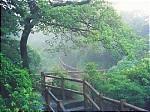
Rainy weather and fog make for a most atmospheric visit to the wooded temple mountain of Koyasan and Okunoin, in particular.

Hakone

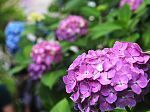
The chances of viewing Mount Fuji may be low, but the lush vegetation and hydrangea flowers are twice as intensive in rain than in dry weather.

Hot Springs

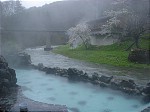
There is nothing more relaxing than sitting in an open air hot spring while viewing the cloudy landscape and listening to the patter of the rain.

Hokkaido

Those who prefer to escape the rain, should visit Japan's northern most main island of Hokkaido, which gets barely affected by the rainy season.

Any advice or questions? Voice them in the forum!


May 31, 2006  
Copyright © 1996-2009 japan-guide.com All rights reserved
home - site map - privacy policy - terms of use - contact - L‚ɂ‚¢‚Ä - advertising

Asian-inspired
Plasma TV Stands