Chinatowns
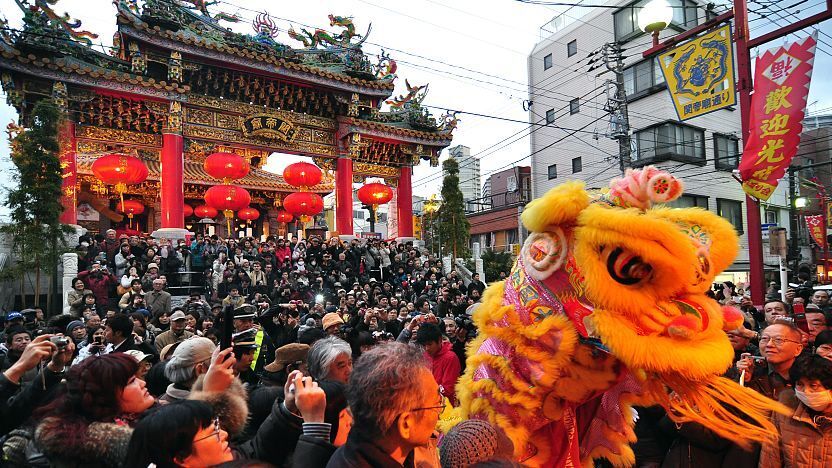
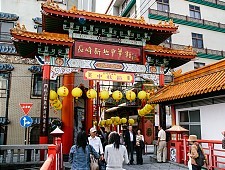
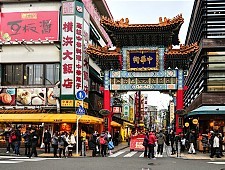
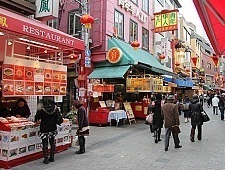
Japan has three, relatively large Chinatowns (中華街, Chūkagai): one in Yokohama, one in Nagasaki and one in Kobe. All of them originated as residential areas of Chinese merchants, who settled around the ports that were first opened to foreign trade after the end of Japan's era of seclusion in the late 1800s or earlier.
Today, Japan's Chinatowns are primarily tourist spots and dining destinations, popular for their restaurants and "exotic" atmosphere, rather than residential areas of Chinese immigrants, although Yokohama's Chinatown, for example, is still home to several thousand residents of Chinese descent.
Questions? Ask in our forum.