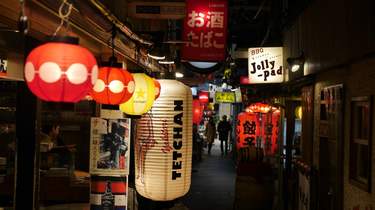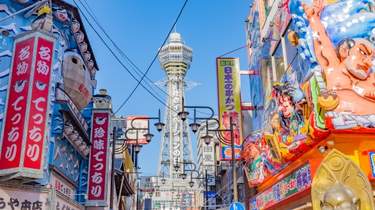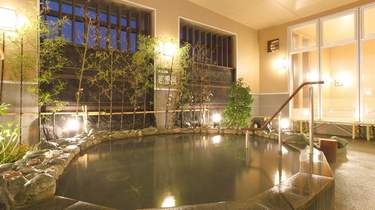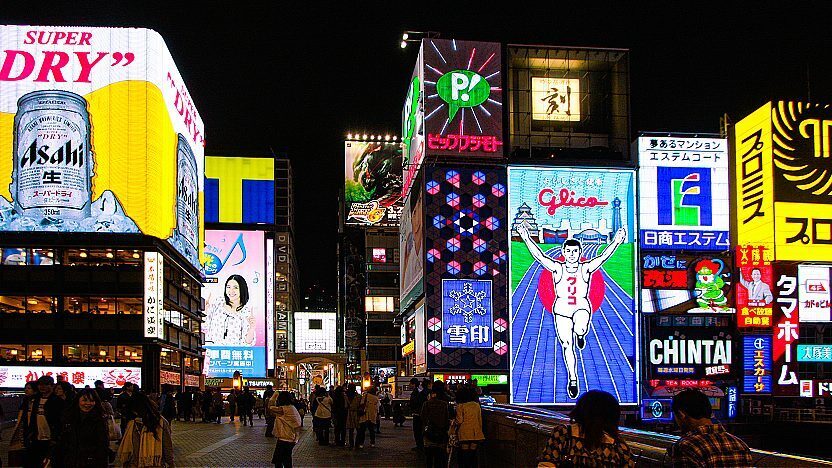
Located around Namba Station, Minami (ƒ~ƒiƒ~, "South") is one of Osaka's two major city centers. It is the city's most famous entertainment district and offers abundant dining and shopping choices. The district is easily accessible as it is served by three train companies as well as three subway lines and a highway bus terminal. The other major city center is Kita (ƒLƒ^, "North") which is located around Osaka and Umeda stations.
Shopping and nightlife



Culture and history


Getting there and around

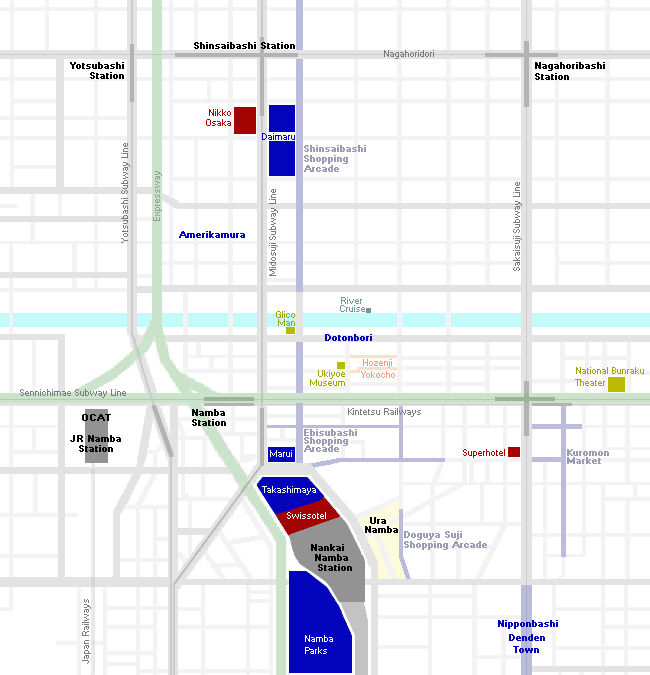
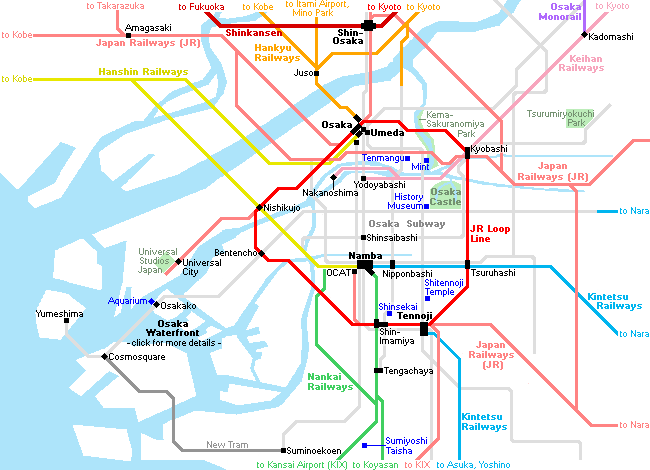
The Minami area is centered around Namba Station and the Osaka City Air Terminal (OCAT) and is served by multiple train and subway lines as well as buses.
Namba Station is not a single station, but rather a collection of multiple station buildings and platforms, including Nankai Namba Station, JR Namba Station and Kintetsu's Osaka-Namba Station. Furthermore, the Midosuji, Yotsubashi and Sennichimae subway lines stop at their respective Namba stations.
Most airport and highway buses serve the Osaka City Air Terminal (OCAT), which is located in the same building as JR Namba Station.
From Shin-Osaka and Osaka stations
The Midosuji Subway line connects Shin-Osaka and Osaka/Umeda stations directly to Namba Station. It takes approximately 8 minutes and 240 yen from Osaka/Umeda Station and 15 minutes and 290 yen from Shin-Osaka Station.
From Kansai Airport
By train
Nankai Railway operates direct trains between Kansai Airport and Namba Station. Express trains take around 45 minutes and cost 970 yen (non-reserved seats only), while limited express trains ("Rap:t") take around 35 minutes and cost 1490 yen (reserved seats only).
It is also possible to travel by JR, but it requires a transfer at Tennoji Station along the way. The whole trip takes approximately one hour and costs 1060 yen, using the JR Airport Rapid.
By bus
Buses run from Kansai Airport to the Osaka City Air Terminal (OCAT) approximately every 30 minutes. Tickets can be purchased at the airport limousine bus counter and cost 1300 yen. Travel time is about 50 minutes.
How to get to and around Osaka
Questions? Ask in our forum.
Links and Resources
English
Hotels around Osaka
-
-
![]() SponsoredKaneyoshi RyokanA modern Japanese inn in Dotombori. the center of Osaka. 2 subway stations nearby. Close to many shops and Osaka Castle.View siteSponsored
SponsoredKaneyoshi RyokanA modern Japanese inn in Dotombori. the center of Osaka. 2 subway stations nearby. Close to many shops and Osaka Castle.View siteSponsored
-


-
-
![]() Hotel 88 ShinsaibashiHotel 88 Shinsaibashi is an 8-minute walk from OCAT (Osaka City Air Terminal) and a 10-minute walk from Namba Station. Glico Man Sign is a 4-minute walk from the property. Free WiFi is available in all rooms. Featuring modern d?cor, all rooms come with air conditioning and heating facilities, a flat-screen TV and pajamas. Private bathroom includes a bath, walk-in shower, hairdryer, toilet with an electronic bidet and free toiletries. Free luggage storage is available at the 24-hour front desk. Guests can enjoy billiards at the property. There is a drinks vending machine, and laundry service can be arranged. Tsutenkaku and Shinsekai shopping street are a 16-minute train ride away. Osaka Itami Airport is a 45-minute drive from Hotel 88 Shinsaibashi.View on Booking.com
Hotel 88 ShinsaibashiHotel 88 Shinsaibashi is an 8-minute walk from OCAT (Osaka City Air Terminal) and a 10-minute walk from Namba Station. Glico Man Sign is a 4-minute walk from the property. Free WiFi is available in all rooms. Featuring modern d?cor, all rooms come with air conditioning and heating facilities, a flat-screen TV and pajamas. Private bathroom includes a bath, walk-in shower, hairdryer, toilet with an electronic bidet and free toiletries. Free luggage storage is available at the 24-hour front desk. Guests can enjoy billiards at the property. There is a drinks vending machine, and laundry service can be arranged. Tsutenkaku and Shinsekai shopping street are a 16-minute train ride away. Osaka Itami Airport is a 45-minute drive from Hotel 88 Shinsaibashi.View on Booking.com -
![]() 30 PIECES Namba30 PIECES Namba provides accommodation within 200 metres of the centre of Osaka, with free WiFi, and a kitchen with a microwave, a toaster and a fridge. This 4-star aparthotel offers a lift and full-day security. The aparthotel features family rooms. The units in the aparthotel are equipped with a kettle. All units are complete with a private bathroom and air conditioning, and certain rooms include a terrace. At the aparthotel, every unit has bed linen and towels. Popular points of interest near the aparthotel include Naniwa Park, Motomachinaka Park and Namba Station. Itami Airport is 20 km away.View on Booking.com
30 PIECES Namba30 PIECES Namba provides accommodation within 200 metres of the centre of Osaka, with free WiFi, and a kitchen with a microwave, a toaster and a fridge. This 4-star aparthotel offers a lift and full-day security. The aparthotel features family rooms. The units in the aparthotel are equipped with a kettle. All units are complete with a private bathroom and air conditioning, and certain rooms include a terrace. At the aparthotel, every unit has bed linen and towels. Popular points of interest near the aparthotel include Naniwa Park, Motomachinaka Park and Namba Station. Itami Airport is 20 km away.View on Booking.com -
![]() &Here OSAKA NAMBAAttractively set in the centre of Osaka, &Here OSAKA NAMBA is within 400 metres of Nipponbashi Catholic Church and 400 metres of Nipponbashi Park. The property is close to Manpuku-ji Temple, Shinsengumi Osaka Tonsho Monument and Daikaku-ji Temple. The hotel features a terrace, a 24-hour front desk, and free WiFi is available throughout the property. The hotel will provide guests with air-conditioned rooms offering a desk, a kettle, a fridge, a microwave, a safety deposit box, a flat-screen TV and a private bathroom with a bidet. Popular points of interest near &Here OSAKA NAMBA include Komyo-ji Temple, Shinko-ji Temple and Koden-ji Temple. Itami Airport is 21 km from the property.View on Booking.com
&Here OSAKA NAMBAAttractively set in the centre of Osaka, &Here OSAKA NAMBA is within 400 metres of Nipponbashi Catholic Church and 400 metres of Nipponbashi Park. The property is close to Manpuku-ji Temple, Shinsengumi Osaka Tonsho Monument and Daikaku-ji Temple. The hotel features a terrace, a 24-hour front desk, and free WiFi is available throughout the property. The hotel will provide guests with air-conditioned rooms offering a desk, a kettle, a fridge, a microwave, a safety deposit box, a flat-screen TV and a private bathroom with a bidet. Popular points of interest near &Here OSAKA NAMBA include Komyo-ji Temple, Shinko-ji Temple and Koden-ji Temple. Itami Airport is 21 km from the property.View on Booking.com -
![]() MIMARU Osaka Namba StationConveniently situated in the Shinsaibashi, Namba, Yotsubashi district of Osaka, MIMARU Osaka Namba Station is located 300 metres from Nipponbashi Park, 500 metres from Komyo-ji Temple and 600 metres from Shinko-ji Temple. With free WiFi, this 4-star hotel offers luggage storage space. The property is 600 metres from the city centre and 200 metres from Nipponbashi Catholic Church. The hotel will provide guests with air-conditioned rooms offering a desk, a kettle, a fridge, a microwave, a safety deposit box, a flat-screen TV and a private bathroom with a bidet. At MIMARU Osaka Namba Station, each room is equipped with a seating area. Popular points of interest near the accommodation include Koden-ji Temple, Manpuku-ji Temple and Shinsengumi Osaka Tonsho Monument. Itami Airport is 22 km away.View on Booking.com
MIMARU Osaka Namba StationConveniently situated in the Shinsaibashi, Namba, Yotsubashi district of Osaka, MIMARU Osaka Namba Station is located 300 metres from Nipponbashi Park, 500 metres from Komyo-ji Temple and 600 metres from Shinko-ji Temple. With free WiFi, this 4-star hotel offers luggage storage space. The property is 600 metres from the city centre and 200 metres from Nipponbashi Catholic Church. The hotel will provide guests with air-conditioned rooms offering a desk, a kettle, a fridge, a microwave, a safety deposit box, a flat-screen TV and a private bathroom with a bidet. At MIMARU Osaka Namba Station, each room is equipped with a seating area. Popular points of interest near the accommodation include Koden-ji Temple, Manpuku-ji Temple and Shinsengumi Osaka Tonsho Monument. Itami Airport is 22 km away.View on Booking.com -
![]() Hotel Royal Classic OsakaBoasting a bar, Hotel Royal Classic Osaka is set in the centre of Osaka, 400 metres from Motomachinaka Park. Among the facilities of this property are a restaurant, room service and a 24-hour front desk, along with free WiFi. Private parking is available on site. The hotel will provide guests with air-conditioned rooms with a desk, a coffee machine, a fridge, a safety deposit box, a flat-screen TV and a private bathroom with a bidet. All guest rooms will provide guests with a wardrobe and a kettle. A buffet breakfast is available at Hotel Royal Classic Osaka. Popular points of interest near the accommodation include Orange Street, Glico Man Sign and Naniwa Park. Itami Airport is 21 km from the property.View on Booking.com
Hotel Royal Classic OsakaBoasting a bar, Hotel Royal Classic Osaka is set in the centre of Osaka, 400 metres from Motomachinaka Park. Among the facilities of this property are a restaurant, room service and a 24-hour front desk, along with free WiFi. Private parking is available on site. The hotel will provide guests with air-conditioned rooms with a desk, a coffee machine, a fridge, a safety deposit box, a flat-screen TV and a private bathroom with a bidet. All guest rooms will provide guests with a wardrobe and a kettle. A buffet breakfast is available at Hotel Royal Classic Osaka. Popular points of interest near the accommodation include Orange Street, Glico Man Sign and Naniwa Park. Itami Airport is 21 km from the property.View on Booking.com -
![]() Hotel K6 Osaka Namba Dotonbori - Near ShinsaibashiHotel K6 Osaka Namba Shinsaibashi Near Dotonbori (former Balian Namba Dotonbori) is conveniently located only a 3-minute walk from Namba Station. K6 has a 24-hour front desk, also luggage storage and shipping services are available. Free Wi-Fi is available in the building. All rooms feature flat-screen TVs, sofas, refrigerators, microwaves, and electric kettles. Bathrooms are equipped with a jetted tub, shower, toilet, hair dryer, and complimentary toiletries. The common lounge has a free alcohol & soft drink bar, and guests can enjoy it in the lobby. There are also restaurants, bars, and cafes within a 5-minute walk, guests can enjoy trip here. K6 also has twin rooms, making it a comfortable place to spend time with families. K6 also provides bed guards for free, so guests who with small children also can enjoy stay without worries. The baths are spacious and equipped with a washing area, so guests can have a relaxing bath with small children. Children's amenities and toiletries are available among the rental goods. For access to tourist attractions, it is approximately a 4-minute walk to Glico and a 5-minute walk to the OCAT bus stop to airport. Universal Studios Japan (USJ) is approximately 25 minutes by train from K6, and it is approximately 20 minutes by train to Osaka Aquarium Kaiyukan. To the Osaka International Airport it will be spend about 45 minutes by trian from K6. Shipping and Receiving Luggage �yReceiving Luggage in Advance�z You may send your luggage to the property prior to your stay. Please send it prepaid and include the following information: �EName of the reservation holder �ECheck-in date Only luggage with the above information can be accepted. Cash-on-delivery shipments or items without the required information may not be accepted. �yLuggage Shipping Service�z We can arrange luggage shipping via courier at the front desk (paid service). Please contact the front desk if you wish to use this service.View on Booking.com
Hotel K6 Osaka Namba Dotonbori - Near ShinsaibashiHotel K6 Osaka Namba Shinsaibashi Near Dotonbori (former Balian Namba Dotonbori) is conveniently located only a 3-minute walk from Namba Station. K6 has a 24-hour front desk, also luggage storage and shipping services are available. Free Wi-Fi is available in the building. All rooms feature flat-screen TVs, sofas, refrigerators, microwaves, and electric kettles. Bathrooms are equipped with a jetted tub, shower, toilet, hair dryer, and complimentary toiletries. The common lounge has a free alcohol & soft drink bar, and guests can enjoy it in the lobby. There are also restaurants, bars, and cafes within a 5-minute walk, guests can enjoy trip here. K6 also has twin rooms, making it a comfortable place to spend time with families. K6 also provides bed guards for free, so guests who with small children also can enjoy stay without worries. The baths are spacious and equipped with a washing area, so guests can have a relaxing bath with small children. Children's amenities and toiletries are available among the rental goods. For access to tourist attractions, it is approximately a 4-minute walk to Glico and a 5-minute walk to the OCAT bus stop to airport. Universal Studios Japan (USJ) is approximately 25 minutes by train from K6, and it is approximately 20 minutes by train to Osaka Aquarium Kaiyukan. To the Osaka International Airport it will be spend about 45 minutes by trian from K6. Shipping and Receiving Luggage �yReceiving Luggage in Advance�z You may send your luggage to the property prior to your stay. Please send it prepaid and include the following information: �EName of the reservation holder �ECheck-in date Only luggage with the above information can be accepted. Cash-on-delivery shipments or items without the required information may not be accepted. �yLuggage Shipping Service�z We can arrange luggage shipping via courier at the front desk (paid service). Please contact the front desk if you wish to use this service.View on Booking.com -
![]() Centara Grand Hotel OsakaIn a prime location in Osaka, Centara Grand Hotel Osaka provides air-conditioned rooms with free WiFi, private parking and room service. This 5-star hotel offers a 24-hour front desk and a concierge service. The hotel has a terrace and city views, and guests can enjoy a meal at the restaurant or a drink at the bar. The rooms in the hotel are equipped with a coffee machine. Every room is fitted with a private bathroom with a bidet, free toiletries and a hairdryer. All units at Centara Grand Hotel Osaka are equipped with a flat-screen TV with satellite channels and a safety deposit box. A buffet, American or Asian breakfast is available at the property. At the accommodation guests are welcome to take advantage of a fitness room. Popular points of interest near Centara Grand Hotel Osaka include Namba Station, Kamomecho Park and Nipponbashi Park. Itami Airport is 22 km away.View on Booking.com
Centara Grand Hotel OsakaIn a prime location in Osaka, Centara Grand Hotel Osaka provides air-conditioned rooms with free WiFi, private parking and room service. This 5-star hotel offers a 24-hour front desk and a concierge service. The hotel has a terrace and city views, and guests can enjoy a meal at the restaurant or a drink at the bar. The rooms in the hotel are equipped with a coffee machine. Every room is fitted with a private bathroom with a bidet, free toiletries and a hairdryer. All units at Centara Grand Hotel Osaka are equipped with a flat-screen TV with satellite channels and a safety deposit box. A buffet, American or Asian breakfast is available at the property. At the accommodation guests are welcome to take advantage of a fitness room. Popular points of interest near Centara Grand Hotel Osaka include Namba Station, Kamomecho Park and Nipponbashi Park. Itami Airport is 22 km away.View on Booking.com -
![]() Citadines Namba OsakaCitadines Namba Osaka has a fitness centre, shared lounge, a restaurant and bar in Osaka. This 4-star hotel offers a shared kitchen, a 24-hour front desk and free WiFi. The property is 700 metres from the city centre and 300 metres from Nipponbashi Catholic Church. All rooms at the hotel come with air conditioning, a seating area, a flat-screen TV with cable channels, a safety deposit box and a private bathroom with a bidet, free toiletries and a hairdryer. The rooms include a kettle, while some rooms are fitted with a kitchen with a stovetop. All units will provide guests with a fridge. A buffet breakfast is available at Citadines Namba Osaka. Popular points of interest near the accommodation include Nipponbashi Park, Komyo-ji Temple and Shinko-ji Temple. Itami Airport is 22 km from the property.View on Booking.com
Citadines Namba OsakaCitadines Namba Osaka has a fitness centre, shared lounge, a restaurant and bar in Osaka. This 4-star hotel offers a shared kitchen, a 24-hour front desk and free WiFi. The property is 700 metres from the city centre and 300 metres from Nipponbashi Catholic Church. All rooms at the hotel come with air conditioning, a seating area, a flat-screen TV with cable channels, a safety deposit box and a private bathroom with a bidet, free toiletries and a hairdryer. The rooms include a kettle, while some rooms are fitted with a kitchen with a stovetop. All units will provide guests with a fridge. A buffet breakfast is available at Citadines Namba Osaka. Popular points of interest near the accommodation include Nipponbashi Park, Komyo-ji Temple and Shinko-ji Temple. Itami Airport is 22 km from the property.View on Booking.com -
![]() Fraser Residence Nankai OsakaJust a 3-minute walk from Namba Subway Station, Fraser Residence Nankai Osaka offers studios and apartments with free Wi-Fi. The Residence features a fitness centre and a sauna. Spacious rooms at Fraser Nankai come with an LCD TV, and washing machine. They have a well-equipped kitchenette. Guests at Osaka Fraser can go to gym, or visit the hotel�fs library. The Residence offers a business centre with meeting facilities, a concierge and ticketing services. Guests can enjoy buffet style breakfast. Fraser Residence Nankai Osaka is a 15-minute subway ride from Shin-Osaka Shinkansen Station. Kansai International Airport is a 40-minute train ride from the hotel.View on Booking.com
Fraser Residence Nankai OsakaJust a 3-minute walk from Namba Subway Station, Fraser Residence Nankai Osaka offers studios and apartments with free Wi-Fi. The Residence features a fitness centre and a sauna. Spacious rooms at Fraser Nankai come with an LCD TV, and washing machine. They have a well-equipped kitchenette. Guests at Osaka Fraser can go to gym, or visit the hotel�fs library. The Residence offers a business centre with meeting facilities, a concierge and ticketing services. Guests can enjoy buffet style breakfast. Fraser Residence Nankai Osaka is a 15-minute subway ride from Shin-Osaka Shinkansen Station. Kansai International Airport is a 40-minute train ride from the hotel.View on Booking.com -
![]() MONday Apart Premium OSAKA NAMBA WESTRight in the heart of Osaka, MONday Apart Premium OSAKA NAMBA WEST features rooms with free WiFi. This 4-star aparthotel offers a 24-hour front desk and a lift. The aparthotel has family rooms. All units at the aparthotel come with air conditioning, a seating area, a flat-screen TV with streaming services, a safety deposit box and a private bathroom with a bidet, slippers and a hair dryer. The units are fitted with a kettle, while certain rooms come with a fully equipped kitchenette with a stovetop. At the aparthotel, every unit comes with bed linen and towels. Popular points of interest near the aparthotel include Kamomecho Park, Naniwa Park and Shiokusa Park. Itami Airport is 20 km from the property.View on Booking.com
MONday Apart Premium OSAKA NAMBA WESTRight in the heart of Osaka, MONday Apart Premium OSAKA NAMBA WEST features rooms with free WiFi. This 4-star aparthotel offers a 24-hour front desk and a lift. The aparthotel has family rooms. All units at the aparthotel come with air conditioning, a seating area, a flat-screen TV with streaming services, a safety deposit box and a private bathroom with a bidet, slippers and a hair dryer. The units are fitted with a kettle, while certain rooms come with a fully equipped kitchenette with a stovetop. At the aparthotel, every unit comes with bed linen and towels. Popular points of interest near the aparthotel include Kamomecho Park, Naniwa Park and Shiokusa Park. Itami Airport is 20 km from the property.View on Booking.com
-


Osaka Restaurants

-
-
![]() Oryori MiyamotoAwarded Two Stars in 2024 - A renowned kaiseki restaurant that has earned two stars on a prestigious global gourmet site for over 10 consecutive years. While preserving the traditions of Japanese cuisine, the chef’s unique and innovative touch subtly shines through in the dishes, attracting food enthusiasts from all over the world.View on JapanEatinerary
Oryori MiyamotoAwarded Two Stars in 2024 - A renowned kaiseki restaurant that has earned two stars on a prestigious global gourmet site for over 10 consecutive years. While preserving the traditions of Japanese cuisine, the chef’s unique and innovative touch subtly shines through in the dishes, attracting food enthusiasts from all over the world.View on JapanEatinerary -
![]() SushirokuAwarded One Star in 2024 - A cozy, family-run restaurant managed by a husband and wife. They are deeply committed to perfecting their shari (sushi rice) and use two types of vinegared rice tailored to complement each topping. Since 2019, the restaurant has consistently earned stars.View on JapanEatinerary
SushirokuAwarded One Star in 2024 - A cozy, family-run restaurant managed by a husband and wife. They are deeply committed to perfecting their shari (sushi rice) and use two types of vinegared rice tailored to complement each topping. Since 2019, the restaurant has consistently earned stars.View on JapanEatinerary -
![]() Kitashinchi Kushikatsu BonA restaurant that elevates Osaka's soul food, kushikatsu, to a luxurious level. Skilled chefs meticulously prepare each skewer using carefully selected premium ingredients such as Chateaubriand and foie gras. The skewers are fried in a custom copper pot using a unique oil blend based on cottonseed oil, enhancing the natural flavors of the ingredients.View on JapanEatinerary
Kitashinchi Kushikatsu BonA restaurant that elevates Osaka's soul food, kushikatsu, to a luxurious level. Skilled chefs meticulously prepare each skewer using carefully selected premium ingredients such as Chateaubriand and foie gras. The skewers are fried in a custom copper pot using a unique oil blend based on cottonseed oil, enhancing the natural flavors of the ingredients.View on JapanEatinerary -
![]() OIMATSU Tempura SuzukiA renowned tempura restaurant led by a master chef who honed his skills at prestigious establishments, including The Ritz-Carlton, Osaka. Guests can savor exquisite tempura made with premium ingredients such as Japanese Black Wagyu fillet and Chateaubriand. The restaurant features a pristine white-wood counter, with lacquered vermillion trays set before each seat, the vibrant hue adding an elegant and festive touch to the entire space.View on JapanEatinerary
OIMATSU Tempura SuzukiA renowned tempura restaurant led by a master chef who honed his skills at prestigious establishments, including The Ritz-Carlton, Osaka. Guests can savor exquisite tempura made with premium ingredients such as Japanese Black Wagyu fillet and Chateaubriand. The restaurant features a pristine white-wood counter, with lacquered vermillion trays set before each seat, the vibrant hue adding an elegant and festive touch to the entire space.View on JapanEatinerary -
![]() Sushidokoro Kurosugi ShinkanThe branch of the star-awarded Sushidokoro Kurosugi offers a more affordable way to enjoy its exceptional flavors. Ingredients are sourced together with the main restaurant, where they are prepared before being brought to this location to be crafted into dishes. Guests can savor outstanding sushi alongside a wide selection of sake that is always available.View on JapanEatinerary
Sushidokoro Kurosugi ShinkanThe branch of the star-awarded Sushidokoro Kurosugi offers a more affordable way to enjoy its exceptional flavors. Ingredients are sourced together with the main restaurant, where they are prepared before being brought to this location to be crafted into dishes. Guests can savor outstanding sushi alongside a wide selection of sake that is always available.View on JapanEatinerary -
![]() Kassen IritaniThe head chef honed his skills at the star-awarded Naniwaryori Yu and served as the executive chef at the second branch of the equally star-awarded Oimatsu Kitagawa. He showcases his expertise by sourcing the freshest seafood from across Japan, offering dishes such as fresh sashimi and fragrant charcoal-grilled delicacies. The head chef also holds a sommelier certification, providing a wide selection of wines ranging from classic labels to rare finds.View on JapanEatinerary
Kassen IritaniThe head chef honed his skills at the star-awarded Naniwaryori Yu and served as the executive chef at the second branch of the equally star-awarded Oimatsu Kitagawa. He showcases his expertise by sourcing the freshest seafood from across Japan, offering dishes such as fresh sashimi and fragrant charcoal-grilled delicacies. The head chef also holds a sommelier certification, providing a wide selection of wines ranging from classic labels to rare finds.View on JapanEatinerary -
![]() KonohaAwarded One Star in 2024 - The head chef, with 16 years of training at a long-established traditional restaurant, expresses the seasonal flavors of each passing season through dishes based on a broth made from premium kombu (kelp). Their signature tempura stands out with a delicate batter enriched with extra egg yolks for a rich and indulgent flavor. The tableware, carefully selected, includes exquisite pieces such as Kutani porcelain and Wajima lacquerware.View on JapanEatinerary
KonohaAwarded One Star in 2024 - The head chef, with 16 years of training at a long-established traditional restaurant, expresses the seasonal flavors of each passing season through dishes based on a broth made from premium kombu (kelp). Their signature tempura stands out with a delicate batter enriched with extra egg yolks for a rich and indulgent flavor. The tableware, carefully selected, includes exquisite pieces such as Kutani porcelain and Wajima lacquerware.View on JapanEatinerary -
![]() Sushi HoshiyamaAwarded One Star in 2024 - This restaurant is popular for offering authentic Edomae (Tokyo-style) sushi without modern interpretations or creative twists. The head chef trained extensively at a star-awarded sushi restaurant in Osaka before establishing his own place. The restaurant is also highly regarded among fellow sushi chefs, boasting many fans within the industry.View on JapanEatinerary
Sushi HoshiyamaAwarded One Star in 2024 - This restaurant is popular for offering authentic Edomae (Tokyo-style) sushi without modern interpretations or creative twists. The head chef trained extensively at a star-awarded sushi restaurant in Osaka before establishing his own place. The restaurant is also highly regarded among fellow sushi chefs, boasting many fans within the industry.View on JapanEatinerary -
![]() YUNiCOAwarded One Star in 2024 - Run by a chef who trained for 10 years at RISTORANTE HiRo, operated by the renowned Hiromi Yamada, featured in numerous media outlets. Guests can enjoy the thrill of watching high-quality ingredients, including Kyoto's traditional vegetables and fresh seafood from Awaji, being prepared right before their eyes across the counter.View on JapanEatinerary
YUNiCOAwarded One Star in 2024 - Run by a chef who trained for 10 years at RISTORANTE HiRo, operated by the renowned Hiromi Yamada, featured in numerous media outlets. Guests can enjoy the thrill of watching high-quality ingredients, including Kyoto's traditional vegetables and fresh seafood from Awaji, being prepared right before their eyes across the counter.View on JapanEatinerary -
![]() Sushi HakuIn an elegant space that perfectly embodies the term "a hidden retreat for adults," guests can savor exquisite sushi. With presentations that delight not only the palate but also the eyes, each visit offers new discoveries and moments of awe. On the second floor, a bar is available where guests can enjoy a relaxing post-meal time with sake or wine.View on JapanEatinerary
Sushi HakuIn an elegant space that perfectly embodies the term "a hidden retreat for adults," guests can savor exquisite sushi. With presentations that delight not only the palate but also the eyes, each visit offers new discoveries and moments of awe. On the second floor, a bar is available where guests can enjoy a relaxing post-meal time with sake or wine.View on JapanEatinerary
-


Experiences around Osaka
-
-
![]() SponsoredPrivate Behind-the-Scenes Art and Architecture Tour of the Umeda Sky Building and its Kuchu Teien ObservatoryAt Osaka�fs landmark Umeda Sky Building and its famed Kuchu Teien Observatory, enjoy open access to the building�fs in-house art gallery and central floating bridge, usually closed to the general public. Enjoy in-depth commentary about the building�fs architectural secrets and its designer Hiroshi Hara.View experienceSponsored
SponsoredPrivate Behind-the-Scenes Art and Architecture Tour of the Umeda Sky Building and its Kuchu Teien ObservatoryAt Osaka�fs landmark Umeda Sky Building and its famed Kuchu Teien Observatory, enjoy open access to the building�fs in-house art gallery and central floating bridge, usually closed to the general public. Enjoy in-depth commentary about the building�fs architectural secrets and its designer Hiroshi Hara.View experienceSponsored -
![]() SponsoredJapanese Tea Culture Experience & Tea-Based Lunch in Sakai, Osaka — Sen no Rikyu's HometownImmerse yourself in Japan's rich tea culture at no less than the hometown of the great tea master Sen no Rikyu (1522–1591): Sakai City in Osaka. At Tsuboichi Seicha Honpo, a reputed tea shop in Sakai with a history of over 170 years, enjoy a comprehensive Japanese tea culture experience and savor a tea-based lunch course — complete with a Wabunka-exclusive dessert made with high-grade matcha. Watch skilled tea masters select tea leaves from various regions then roast and blend them right in front of you, and relax with some tea in the tranquility of the 340-year-old traditional building that houses Tsuboichi Seicha Honpo.View experienceSponsored
SponsoredJapanese Tea Culture Experience & Tea-Based Lunch in Sakai, Osaka — Sen no Rikyu's HometownImmerse yourself in Japan's rich tea culture at no less than the hometown of the great tea master Sen no Rikyu (1522–1591): Sakai City in Osaka. At Tsuboichi Seicha Honpo, a reputed tea shop in Sakai with a history of over 170 years, enjoy a comprehensive Japanese tea culture experience and savor a tea-based lunch course — complete with a Wabunka-exclusive dessert made with high-grade matcha. Watch skilled tea masters select tea leaves from various regions then roast and blend them right in front of you, and relax with some tea in the tranquility of the 340-year-old traditional building that houses Tsuboichi Seicha Honpo.View experienceSponsored -
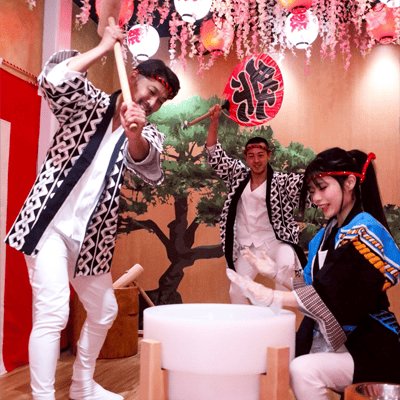
![]() SponsoredTraditional Mochi Performance & Hands-on ExperienceExperience a traditional Japanese mochi celebration for good fortune. Watch a lively mochi pounding performance, try making it yourself, then enjoy delicious homemade strawberry daifuku upstairs.View experienceSponsored
SponsoredTraditional Mochi Performance & Hands-on ExperienceExperience a traditional Japanese mochi celebration for good fortune. Watch a lively mochi pounding performance, try making it yourself, then enjoy delicious homemade strawberry daifuku upstairs.View experienceSponsored
-



-
-
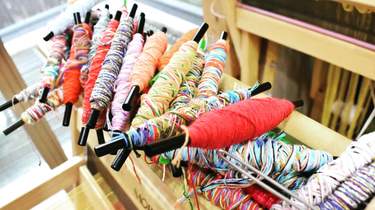
![]() Umeda Weaving Experience (Osaka)"Saori weaving" without a role model. You can enjoy the weave of your choice.View on Klook
Umeda Weaving Experience (Osaka)"Saori weaving" without a role model. You can enjoy the weave of your choice.View on Klook -
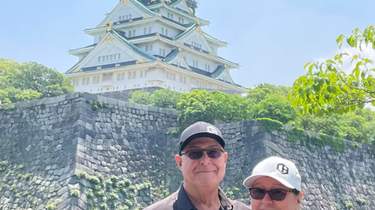
![]() Osaka Private City Exploration Day Tour: Best Cultural HighlightsVisit the best spots in Osaka, including the famous Osaka Castle and Dotonbori Glico Spot, in just one day!View on Klook
Osaka Private City Exploration Day Tour: Best Cultural HighlightsVisit the best spots in Osaka, including the famous Osaka Castle and Dotonbori Glico Spot, in just one day!View on Klook -
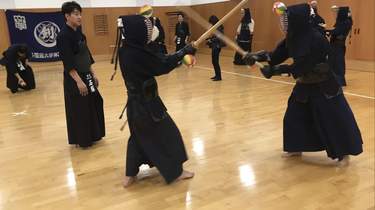
![]() Kendo Experience Tour In Osaka "SAMURAI TRIP"Enjoy a real samurai experience with a 2-hour class to learn Kendo, a Japanese martial art formView on Klook
Kendo Experience Tour In Osaka "SAMURAI TRIP"Enjoy a real samurai experience with a 2-hour class to learn Kendo, a Japanese martial art formView on Klook -
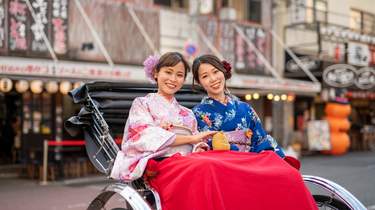
![]() Kimono Rental (Provided by Kimono Botan)Makes me feel better! Let's stroll around Osaka in your favorite kimonoView on Klook
Kimono Rental (Provided by Kimono Botan)Makes me feel better! Let's stroll around Osaka in your favorite kimonoView on Klook -
![]() World Heritage Shirakawago and Takayama Private Tour from NagoyaLearn about the history of Japanese traditional buildings at your leisure.View on Klook
World Heritage Shirakawago and Takayama Private Tour from NagoyaLearn about the history of Japanese traditional buildings at your leisure.View on Klook -
![]() Ninja Experience and VR Game in OsakaBecome a ninja for a day on this 1 hour ninja workshop and costume rental experience in OsakaView on Klook
Ninja Experience and VR Game in OsakaBecome a ninja for a day on this 1 hour ninja workshop and costume rental experience in OsakaView on Klook -
![]() Osaka Nighttime Guided Food TourExplore local neighborhoods many visitors don�ft get to seeView on Klook
Osaka Nighttime Guided Food TourExplore local neighborhoods many visitors don�ft get to seeView on Klook -
![]() Osaka Castle & Umeda Sky Building & Tonbori River Cruise Day TourVisit famous Osaka's hotspots in one dayView on Klook
Osaka Castle & Umeda Sky Building & Tonbori River Cruise Day TourVisit famous Osaka's hotspots in one dayView on Klook -
![]() Osaka Dotombori Uranamba Local Bar & Izakaya Crawl TourAt first, going to izakaya at Sennichimae, where locals drinkView on Klook
Osaka Dotombori Uranamba Local Bar & Izakaya Crawl TourAt first, going to izakaya at Sennichimae, where locals drinkView on Klook -
![]() Rock Salt Spa Rinkunoyu in OsakaThere are eight types of hot springs, rock salt open-air hot springs, indoor hot springs, and sauna in Osaka RinkunoyuView on Klook
Rock Salt Spa Rinkunoyu in OsakaThere are eight types of hot springs, rock salt open-air hot springs, indoor hot springs, and sauna in Osaka RinkunoyuView on Klook
-