Matsuyama Museum Guide
A variety of museums can be found in Matsuyama. The city is especially rich in literary talent and history. The 20th century in particular saw Matsuyama rise to prominence in Japan's literary realm. Three important writers were either born in the city, or chose it as home for themselves and their characters.
The first is a poet, Masaoka Shiki (1867-1902), born and raised in Matsuyama. Shiki was an advocate of modernizing the old Japanese poetic forms, and he eventually introduced modern forms of Haiku and Tanka for this purpose.
The second major figure in Matsuyama's literary trio is Natsume Soseki (1867-1916), a prolific Meiji Period novelist and friend of Shiki. He is best known for a novel entitled "Botchan", set in Matsuyama and featuring locations around the city. "Botchan" follows the life of a young teacher who moves to Matsuyama as Meiji Period reforms sweep the country. The novel was written in 1906 and is now often read as part of the Japanese school curriculum. As a result of the novel's wide readership, Matsuyama and its sights are well known across Japan.

Finally, there is Shiba Ryotaro, a novelist born in 1923, who often wrote about the Edo and Meiji Periods. One of his later novels entitled "Saka no Ue no Kumo", or "Clouds Over the Hill", features Matsuyama City and includes both Shiki and Soseki as characters.
Shiki, Soseki and Ryotaro are fondly regarded by the residents of Matsuyama and visitors to the city today can find museums and monuments remembering them and commemorating their works. Here are several places of interest in Matsuyama, some of which are related to the city's famed literary trio:

Getting there and around
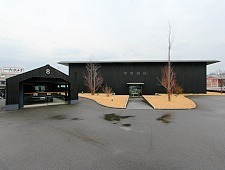
Shiki Memorial Museum
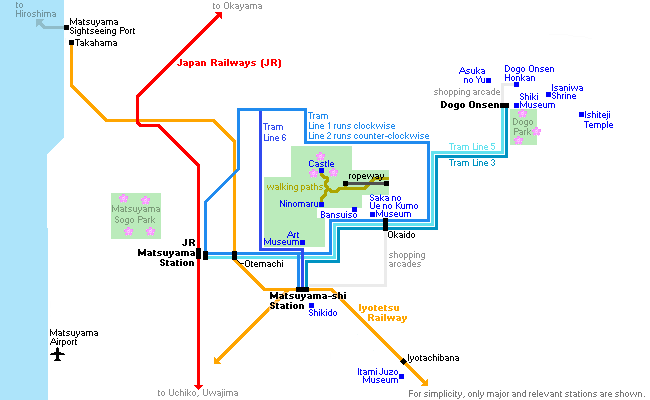
The museum stands a few steps from Dogo Onsen tram station, the terminus of three tram lines. It can be reached from JR Matsuyama Station by tram line 5 in 20 minutes or from Matsuyama-shi Station by tram line 3 in 15 minutes.
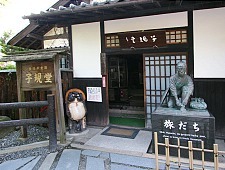
Shikido
Shikido is a five minute walk south of Matsuyama-shi Station, on the grounds of Seishu Temple.
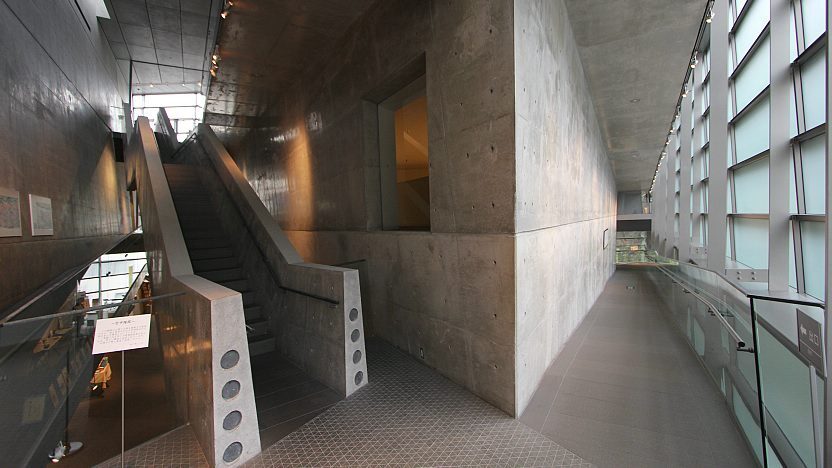
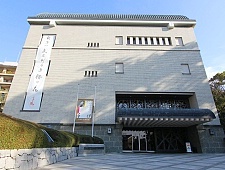
Saka no Ue no Kumo Museum
The museum is located in the city center at the foot of Matsuyama Castle, a two minute walk from Okaido tram stop. Okaido can be reached by tram line 5 from JR Matsuyama Station in ten minutes or by tram line 2 or 3 from Matsuyama-shi Station in five minutes.
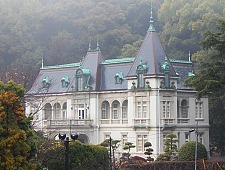
Bansuiso
Bansuiso is a five minute walk uphill northwest of the Saka no Ue no Kumo Museum.
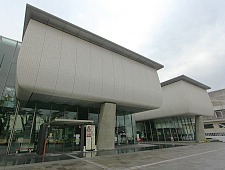
Ehime Prefectural Museum of Art
The museum is located at the southwestern foot of Matsuyama Castle. It is a five minute walk from Manamihoribata tram stop, which is served by all five of Matsuyama's tram lines.
Itami Juzo Museum
The Itami Juzo Museum is located at a slight distance away from the city center. Take the Iyotetsu Railways from Matsuyama-shi Station and alight at Iyotachibana Station (4 minutes). From Iyotachibana Station, it is a 20 minute walk to the museum.
How to get to and around Matsuyama
Questions? Ask in our forum.
Links and Resources
Hotels around Matsuyama

-
-
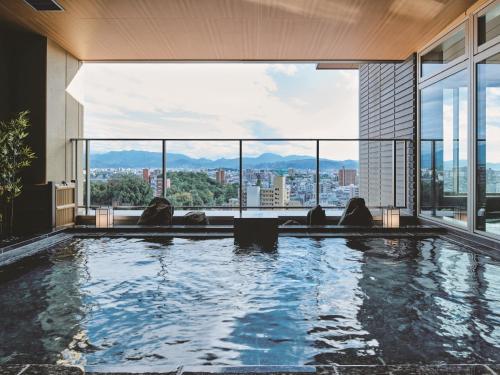
![]() Kowakuen HarukaSituated in Matsuyama, 500 metres from Joshin-ji Temple, Kowakuen Haruka offers accommodation with an open-air bath, private parking and a garden. This 4-star ryokan offers a 24-hour front desk and a lift. The accommodation features a hot spring bath, public bath, family-friendly restaurant and free WiFi. At the ryokan, units have air conditioning, a seating area, a flat-screen TV with streaming services, a safety deposit box and a private bathroom with a bidet, slippers and a hair dryer. The units are fitted with a kettle, while some rooms also boast a balcony and others also feature garden views. At the ryokan, units are equipped with bed linen and towels. Buffet and Asian breakfast options with warm dishes, local specialities and fruits are available. The ryokan is located in a geothermal area, with a number of hot springs nearby for guests to relax in. A bicycle rental service is available at the ryokan. Matsuyama Shrine is less than 1 km from Kowakuen Haruka, while Miyukiji Temple is a 17-minute walk from the property. Matsuyama Airport is 10 km away.View on Booking.com
Kowakuen HarukaSituated in Matsuyama, 500 metres from Joshin-ji Temple, Kowakuen Haruka offers accommodation with an open-air bath, private parking and a garden. This 4-star ryokan offers a 24-hour front desk and a lift. The accommodation features a hot spring bath, public bath, family-friendly restaurant and free WiFi. At the ryokan, units have air conditioning, a seating area, a flat-screen TV with streaming services, a safety deposit box and a private bathroom with a bidet, slippers and a hair dryer. The units are fitted with a kettle, while some rooms also boast a balcony and others also feature garden views. At the ryokan, units are equipped with bed linen and towels. Buffet and Asian breakfast options with warm dishes, local specialities and fruits are available. The ryokan is located in a geothermal area, with a number of hot springs nearby for guests to relax in. A bicycle rental service is available at the ryokan. Matsuyama Shrine is less than 1 km from Kowakuen Haruka, while Miyukiji Temple is a 17-minute walk from the property. Matsuyama Airport is 10 km away.View on Booking.com -
![]() Cinnamon Guesthouse DogoLocated in Matsuyama within less than 1 km of Joshin-ji Temple and a 14-minute walk of Matsuyama Shrine, Cinnamon Guesthouse Dogo provides rooms with free WiFi. It is situated 1.7 km from Miyukiji Temple and features a shared kitchen. Okaido Shopping Street is 2.9 km away and Yasaka Temple is 2.9 km from the guest house. The guest house is located in a geothermal area, with a number of hot springs nearby for guests to relax in. Ishitegawa Park is 2.3 km from the guest house, while Matsuyama castle is 2.7 km away. Matsuyama Airport is 10 km from the property.View on Booking.com
Cinnamon Guesthouse DogoLocated in Matsuyama within less than 1 km of Joshin-ji Temple and a 14-minute walk of Matsuyama Shrine, Cinnamon Guesthouse Dogo provides rooms with free WiFi. It is situated 1.7 km from Miyukiji Temple and features a shared kitchen. Okaido Shopping Street is 2.9 km away and Yasaka Temple is 2.9 km from the guest house. The guest house is located in a geothermal area, with a number of hot springs nearby for guests to relax in. Ishitegawa Park is 2.3 km from the guest house, while Matsuyama castle is 2.7 km away. Matsuyama Airport is 10 km from the property.View on Booking.com -
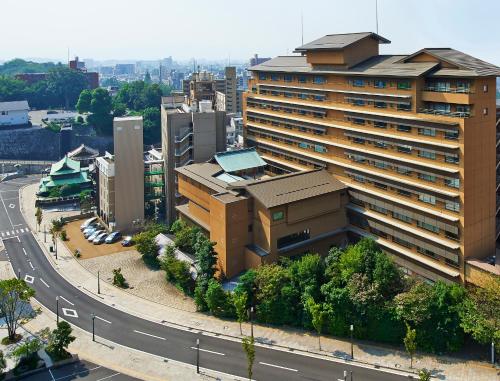
![]() Yamatoya Honten600 metres from Joshin-ji Temple in Matsuyama, Yamatoya Honten provides accommodation with access to a hot spring bath, public bath and open-air bath. Among the facilities of this property are a restaurant, a 24-hour front desk and a lift, along with free WiFi. Private parking can be arranged at an extra charge. All units come with air conditioning, a flat-screen TV with satellite channels, a fridge, a kettle, a bidet, slippers and a wardrobe. The ryokan offers some units that feature a safety deposit box, and units are equipped with a private bathroom with a bath and a hair dryer. The units are equipped with heating facilities. There is a coffee shop and bar. The ryokan is located in a geothermal area, with a number of hot springs nearby for guests to relax in. Matsuyama Shrine is less than 1 km from the ryokan, while Miyukiji Temple is a 19-minute walk from the property. Matsuyama Airport is 10 km away.View on Booking.com
Yamatoya Honten600 metres from Joshin-ji Temple in Matsuyama, Yamatoya Honten provides accommodation with access to a hot spring bath, public bath and open-air bath. Among the facilities of this property are a restaurant, a 24-hour front desk and a lift, along with free WiFi. Private parking can be arranged at an extra charge. All units come with air conditioning, a flat-screen TV with satellite channels, a fridge, a kettle, a bidet, slippers and a wardrobe. The ryokan offers some units that feature a safety deposit box, and units are equipped with a private bathroom with a bath and a hair dryer. The units are equipped with heating facilities. There is a coffee shop and bar. The ryokan is located in a geothermal area, with a number of hot springs nearby for guests to relax in. Matsuyama Shrine is less than 1 km from the ryokan, while Miyukiji Temple is a 19-minute walk from the property. Matsuyama Airport is 10 km away.View on Booking.com -
![]() FunayaBoasting a 390-year history, Funaya offers hot-spring baths, a beautiful Japanese garden and a sauna. Just 200 metres from Dogo-Onsen Train Station, it provides traditional rooms with futon bedding and tatami (woven-straw) floors. Each air-conditioned Japanese-room at Funaya Ryokan comes with a flat-screen satellite TV, fridge and tea maker. The en suite bathroom has a bathtub and slippers. Isaniwa Shrine and Dogo Park are a 5-minute walk away, and Dogo Giyaman Glass Museum is a 10-minute walk. Matsuyama Castle is about 3 km away. The hotel is a 30-minute tram ride from JR Matsuyama Train Station and a 40-minute bus ride from Matsuyama Airport. On-site parking is free. Guests can relax and unwind with a massage, or enjoy with footbath within the hotel’s peaceful garden. Free wired internet access is provided in the lobby. Japanese cuisine is served at Aoigoke Restaurant, and tea and coffee can be enjoyed at Garden Terrace Komorebi.View on Booking.com
FunayaBoasting a 390-year history, Funaya offers hot-spring baths, a beautiful Japanese garden and a sauna. Just 200 metres from Dogo-Onsen Train Station, it provides traditional rooms with futon bedding and tatami (woven-straw) floors. Each air-conditioned Japanese-room at Funaya Ryokan comes with a flat-screen satellite TV, fridge and tea maker. The en suite bathroom has a bathtub and slippers. Isaniwa Shrine and Dogo Park are a 5-minute walk away, and Dogo Giyaman Glass Museum is a 10-minute walk. Matsuyama Castle is about 3 km away. The hotel is a 30-minute tram ride from JR Matsuyama Train Station and a 40-minute bus ride from Matsuyama Airport. On-site parking is free. Guests can relax and unwind with a massage, or enjoy with footbath within the hotel’s peaceful garden. Free wired internet access is provided in the lobby. Japanese cuisine is served at Aoigoke Restaurant, and tea and coffee can be enjoyed at Garden Terrace Komorebi.View on Booking.com -
![]() Yamatoya BessoLocated in Matsuyama, 600 metres from Joshin-ji Temple, Yamatoya Besso features accommodation with a spa and wellness centre, private parking, an open-air bath and a garden. This 4-star ryokan offers a 24-hour front desk and a lift. The accommodation provides a hot spring bath, free WiFi throughout the property and family rooms. The ryokan offers certain units with garden views, and all units are equipped with a private bathroom. At the ryokan, some units are allergy-free. An Asian breakfast is available at the ryokan. The ryokan is located in a geothermal area, with a number of hot springs nearby for guests to relax in. Guests can also relax on the sun terrace. Matsuyama Shrine is less than 1 km from Yamatoya Besso, while Miyukiji Temple is a 17-minute walk away. Matsuyama Airport is 10 km from the property.View on Booking.com
Yamatoya BessoLocated in Matsuyama, 600 metres from Joshin-ji Temple, Yamatoya Besso features accommodation with a spa and wellness centre, private parking, an open-air bath and a garden. This 4-star ryokan offers a 24-hour front desk and a lift. The accommodation provides a hot spring bath, free WiFi throughout the property and family rooms. The ryokan offers certain units with garden views, and all units are equipped with a private bathroom. At the ryokan, some units are allergy-free. An Asian breakfast is available at the ryokan. The ryokan is located in a geothermal area, with a number of hot springs nearby for guests to relax in. Guests can also relax on the sun terrace. Matsuyama Shrine is less than 1 km from Yamatoya Besso, while Miyukiji Temple is a 17-minute walk away. Matsuyama Airport is 10 km from the property.View on Booking.com -
![]() Daiwa Roynet Hotel MatsuyamaDaiwa Roynet Hotel Matsuyama offers accommodation in Matsuyama near Matsuyama castle and Botchan Train Museum. Among the facilities of this property are a restaurant, a 24-hour front desk and luggage storage space, along with free WiFi. Private parking can be arranged at an extra charge. All guest rooms at the japanese-style business hotel feature air conditioning and a desk. A buffet breakfast is available every morning at Daiwa Roynet Hotel Matsuyama. Popular points of interest near the accommodation include Okaido Shopping Street, Yasaka Temple and Ishitegawa Park. The nearest airport is Matsuyama Airport, 8.5 km from Daiwa Roynet Hotel Matsuyama.View on Booking.com
Daiwa Roynet Hotel MatsuyamaDaiwa Roynet Hotel Matsuyama offers accommodation in Matsuyama near Matsuyama castle and Botchan Train Museum. Among the facilities of this property are a restaurant, a 24-hour front desk and luggage storage space, along with free WiFi. Private parking can be arranged at an extra charge. All guest rooms at the japanese-style business hotel feature air conditioning and a desk. A buffet breakfast is available every morning at Daiwa Roynet Hotel Matsuyama. Popular points of interest near the accommodation include Okaido Shopping Street, Yasaka Temple and Ishitegawa Park. The nearest airport is Matsuyama Airport, 8.5 km from Daiwa Roynet Hotel Matsuyama.View on Booking.com -
![]() DogoYayaDogoYaya features air-conditioned rooms with satellite flat-screen TV in the Dogo Hot Spring district of Matsuyama. This 4-star hotel offers a 24-hour front desk. Free WiFi is available and private parking can be arranged at an extra charge. Guest rooms in the hotel are fitted with a kettle. All rooms have a safety deposit box. A buffet breakfast is available at DogoYaya. Popular points of interest near the accommodation include Joshin-ji Temple, Matsuyama Shrine and Miyukiji Temple. Matsuyama Airport is 10 km from the property.View on Booking.com
DogoYayaDogoYaya features air-conditioned rooms with satellite flat-screen TV in the Dogo Hot Spring district of Matsuyama. This 4-star hotel offers a 24-hour front desk. Free WiFi is available and private parking can be arranged at an extra charge. Guest rooms in the hotel are fitted with a kettle. All rooms have a safety deposit box. A buffet breakfast is available at DogoYaya. Popular points of interest near the accommodation include Joshin-ji Temple, Matsuyama Shrine and Miyukiji Temple. Matsuyama Airport is 10 km from the property.View on Booking.com -
![]() Dormy Inn Matsuyama Natural Hot SpringDormy Inn Matsuyama Natural Hot Spring features rooms in Matsuyama near Matsuyama Civic Center and The Museum of Art, Ehime. This 3-star hotel offers a 24-hour front desk and luggage storage space. The accommodation offers a sauna, hot spring bath, restaurant and free WiFi throughout the property. The units come with air conditioning, a flat-screen TV with satellite channels, a fridge, a kettle, a bidet, a hairdryer and a wardrobe. The rooms feature a safety deposit box. A buffet breakfast is available at the hotel. Popular points of interest near Dormy Inn Matsuyama Natural Hot Spring include Yasaka Temple, Okaido Shopping Street and Botchan Train Museum. Matsuyama Airport is 8 km away.View on Booking.com
Dormy Inn Matsuyama Natural Hot SpringDormy Inn Matsuyama Natural Hot Spring features rooms in Matsuyama near Matsuyama Civic Center and The Museum of Art, Ehime. This 3-star hotel offers a 24-hour front desk and luggage storage space. The accommodation offers a sauna, hot spring bath, restaurant and free WiFi throughout the property. The units come with air conditioning, a flat-screen TV with satellite channels, a fridge, a kettle, a bidet, a hairdryer and a wardrobe. The rooms feature a safety deposit box. A buffet breakfast is available at the hotel. Popular points of interest near Dormy Inn Matsuyama Natural Hot Spring include Yasaka Temple, Okaido Shopping Street and Botchan Train Museum. Matsuyama Airport is 8 km away.View on Booking.com -
![]() Hotel Vista MatsuyamaHotel Vista Matsuyama is set in Matsuyama, within 1.6 km of Matsuyama castle and less than 1 km of Matsuyama Civic Center. With free WiFi, this 3-star hotel offers a 24-hour front desk and luggage storage space. The property is non-smoking and is situated 300 metres from Okaido Shopping Street. The hotel will provide guests with air-conditioned rooms with a desk, a kettle, a fridge, a safety deposit box, a flat-screen TV and a private bathroom with a bidet. All rooms have a wardrobe. American and Asian breakfast options are available at Hotel Vista Matsuyama. Popular points of interest near the accommodation include Yasaka Temple, Botchan Train Museum and Ishitegawa Park. Matsuyama Airport is 8 km from the property.View on Booking.com
Hotel Vista MatsuyamaHotel Vista Matsuyama is set in Matsuyama, within 1.6 km of Matsuyama castle and less than 1 km of Matsuyama Civic Center. With free WiFi, this 3-star hotel offers a 24-hour front desk and luggage storage space. The property is non-smoking and is situated 300 metres from Okaido Shopping Street. The hotel will provide guests with air-conditioned rooms with a desk, a kettle, a fridge, a safety deposit box, a flat-screen TV and a private bathroom with a bidet. All rooms have a wardrobe. American and Asian breakfast options are available at Hotel Vista Matsuyama. Popular points of interest near the accommodation include Yasaka Temple, Botchan Train Museum and Ishitegawa Park. Matsuyama Airport is 8 km from the property.View on Booking.com -
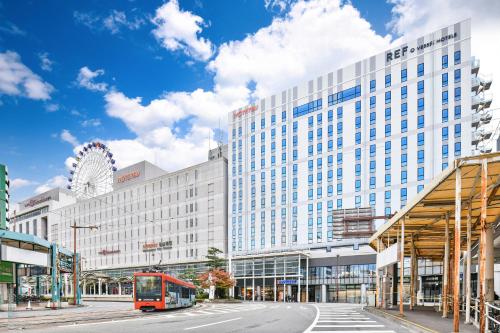
![]() REF Matsuyama City Station by VESSEL HOTELSFeaturing 4-star accommodation, REF Matsuyama City Station by VESSEL HOTELS is situated in Matsuyama, 300 metres from Botchan Train Museum and 600 metres from Matsuyama Civic Center. The property is around 1.1 km from Okaido Shopping Street, 2 km from Matsuyama castle and 2.6 km from Ishitegawa Park. The hotel has a sauna, a 24-hour front desk and free WiFi throughout the property. Complete with a private bathroom fitted with a bidet and free toiletries, all rooms at the hotel have a flat-screen TV and air conditioning, and some rooms are fitted with a seating area. The units will provide guests with a desk and a kettle. A buffet breakfast is available at REF Matsuyama City Station by VESSEL HOTELS. Popular points of interest near the accommodation include The Museum of Art, Ehime, Matsuyama Station and Yasaka Temple. Matsuyama Airport is 6 km from the property.View on Booking.com
REF Matsuyama City Station by VESSEL HOTELSFeaturing 4-star accommodation, REF Matsuyama City Station by VESSEL HOTELS is situated in Matsuyama, 300 metres from Botchan Train Museum and 600 metres from Matsuyama Civic Center. The property is around 1.1 km from Okaido Shopping Street, 2 km from Matsuyama castle and 2.6 km from Ishitegawa Park. The hotel has a sauna, a 24-hour front desk and free WiFi throughout the property. Complete with a private bathroom fitted with a bidet and free toiletries, all rooms at the hotel have a flat-screen TV and air conditioning, and some rooms are fitted with a seating area. The units will provide guests with a desk and a kettle. A buffet breakfast is available at REF Matsuyama City Station by VESSEL HOTELS. Popular points of interest near the accommodation include The Museum of Art, Ehime, Matsuyama Station and Yasaka Temple. Matsuyama Airport is 6 km from the property.View on Booking.com
-